

Description
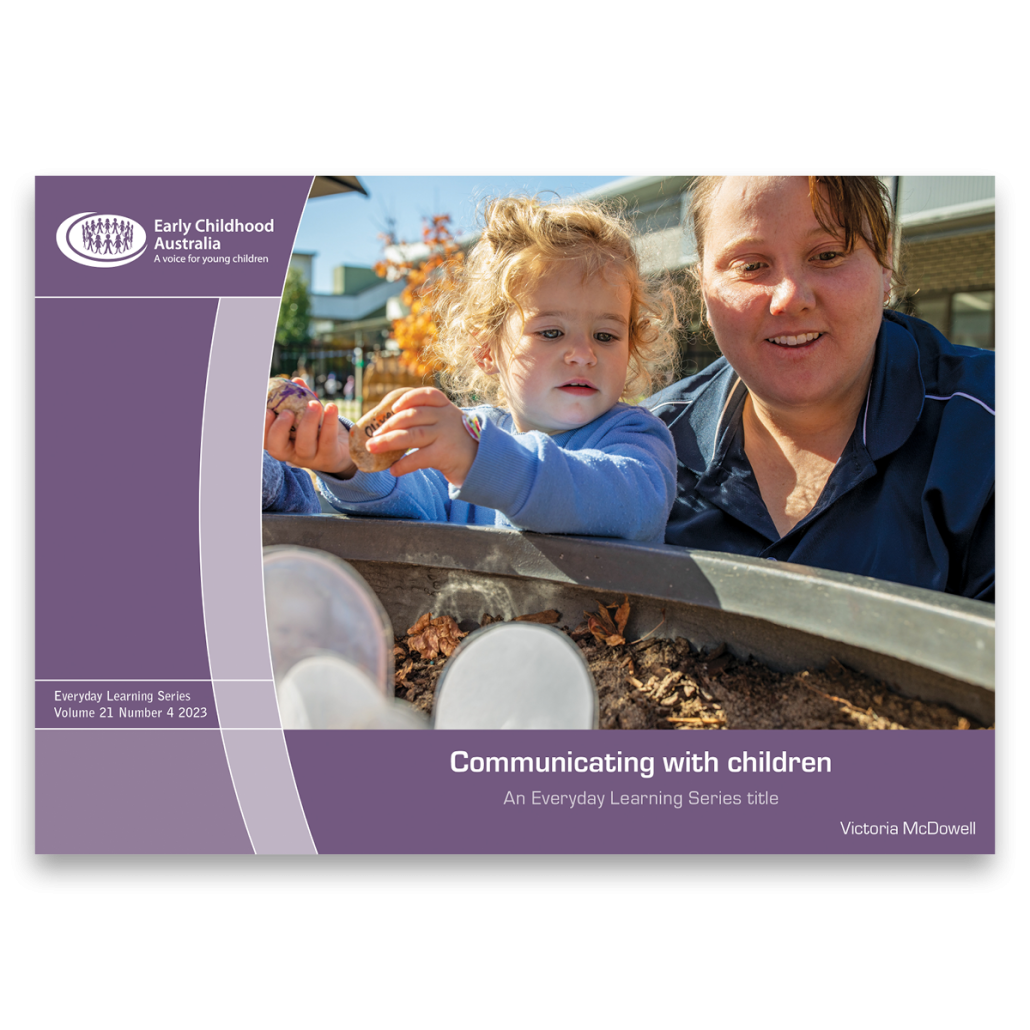
Children’s voices come in many forms—verbal and non-verbal cues and behaviours. Children’s behaviour serves as a vital form of communication, conveying emotions, needs and thoughts. It is crucial to view and understand children’s behaviour as a mode of expression rather than defining their identity.
Educators must advocate for children’s voices, recognising it as both their right and a means to support emotional development, resilience, self-regulation and awareness of their impact on those around them. In curriculum decision-making, daily interactions and reflective practices, prioritising children’s voices is vital for providing a holistic and supportive learning environment where children can thrive.