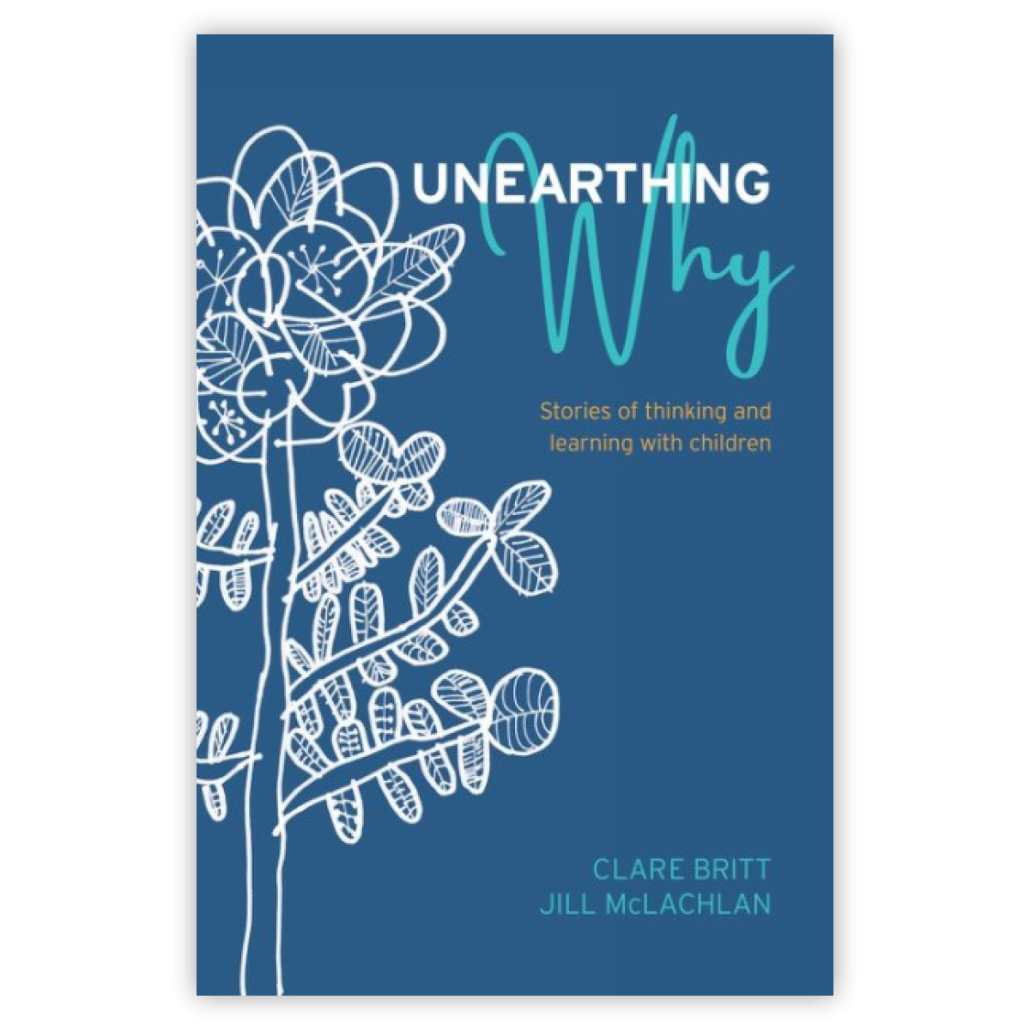


Dr Clare Britt
Dr Clare Britt lives on Darkinjung Country. She specialises in Early Childhood Education (birth-8 years), with a focus on methodologies for researching with young children, art in early childhood, and creative approaches to pedagogy.
Her current role is Manager of Early Childhood Research for the NSW Department of Education.
Clare is a researcher, author, teacher and consultant, and an Honorary Lecturer at Macquarie University. For many years, she was the Lecturer in Early Childhood/ Primary Creative Arts (Visual Arts) at the Institute of Early Childhood (now the Macquarie School of Education). She consults to early childhood organisations, primary schools and the gallery and museum sector, supporting them in foregrounding children’s voices, fostering young children’s creativity, facilitating arts-rich early learning programs, and working effectively with creative approaches to pedagogy and research (including pedagogical documentation, integrated curriculum, inquiry based learning). Clare regularly supports teachers and educators in early childhood and primary school contexts through practical professional development in visual arts pedagogy.
Clare's research centres around young children’s rights to participate meaningfully in research, and to be listened to seriously. Much of her research has been focused on young children's engagement with art, and creative approaches to pedagogy in early childhood settings, primary schools and art gallery/museum contexts. Clare has co-authored two books, her research is published in peer-reviewed journals and chapters in scholarly books. She regularly presents at local and international conferences.

Jill McLachlan
Jill McLachlan is an early childhood educator and leader in Sydney. In her work, Jill brings traditional approaches to curriculum into question as she invites and supports teachers to imagine and practice new ways of being and learning with children. Of particular interest has been the way in which taking on the stance of a co-researcher with children enables educators to walk alongside children, listening to them, celebrating their voices, and leave a trace of their thinking and theories.