
 https://www.earlychildhoodaustralia.org.au/wp-content/uploads/2026/01/A-time-of-change-and-super-diversity-in-early-childhood-education.png
403
768
Professor Lester-Irabinna Rigney
https://www.earlychildhoodaustralia.org.au/wp-content/uploads/2026/03/ECA-logo-two-line-680px-slim-tran.png
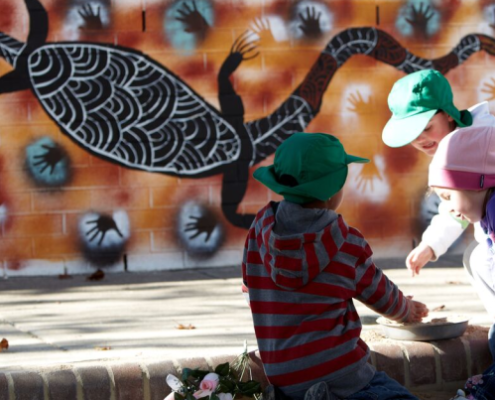
Professor Lester-Irabinna Rigney2019-09-20 15:46:152026-01-23 08:23:45A time of change and ‘super diversity’ in early childhood education
https://www.earlychildhoodaustralia.org.au/wp-content/uploads/2026/01/A-time-of-change-and-super-diversity-in-early-childhood-education.png
403
768
Professor Lester-Irabinna Rigney
https://www.earlychildhoodaustralia.org.au/wp-content/uploads/2026/03/ECA-logo-two-line-680px-slim-tran.png
Professor Lester-Irabinna Rigney2019-09-20 15:46:152026-01-23 08:23:45A time of change and ‘super diversity’ in early childhood education https://www.earlychildhoodaustralia.org.au/wp-content/uploads/2026/01/Childrens-Day-blog.png
432
768
Early Childhood Australia
https://www.earlychildhoodaustralia.org.au/wp-content/uploads/2026/03/ECA-logo-two-line-680px-slim-tran.png
Early Childhood Australia2019-08-01 11:50:522026-03-25 10:28:56Exploring Indigenous ways of knowing and being
https://www.earlychildhoodaustralia.org.au/wp-content/uploads/2026/01/Childrens-Day-blog.png
432
768
Early Childhood Australia
https://www.earlychildhoodaustralia.org.au/wp-content/uploads/2026/03/ECA-logo-two-line-680px-slim-tran.png
Early Childhood Australia2019-08-01 11:50:522026-03-25 10:28:56Exploring Indigenous ways of knowing and being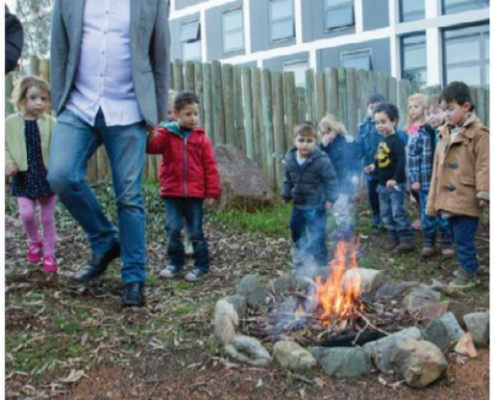 https://www.earlychildhoodaustralia.org.au/wp-content/uploads/2026/01/adam-duncan-secondary.png
702
587
Early Childhood Australia
https://www.earlychildhoodaustralia.org.au/wp-content/uploads/2026/03/ECA-logo-two-line-680px-slim-tran.png
Early Childhood Australia2019-07-10 11:15:212026-03-19 11:19:47Reflecting on NAIDOC Week
https://www.earlychildhoodaustralia.org.au/wp-content/uploads/2026/01/adam-duncan-secondary.png
702
587
Early Childhood Australia
https://www.earlychildhoodaustralia.org.au/wp-content/uploads/2026/03/ECA-logo-two-line-680px-slim-tran.png
Early Childhood Australia2019-07-10 11:15:212026-03-19 11:19:47Reflecting on NAIDOC Week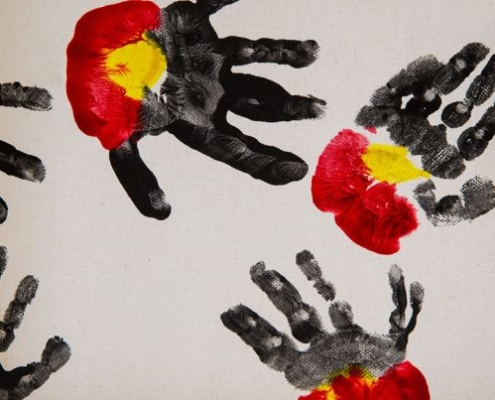 https://www.earlychildhoodaustralia.org.au/wp-content/uploads/2026/01/SHARING-AUS-IN-CULTURE-768x403-1.jpg
403
768
Rebecca Rechichi
https://www.earlychildhoodaustralia.org.au/wp-content/uploads/2026/03/ECA-logo-two-line-680px-slim-tran.png
Rebecca Rechichi2019-05-30 09:43:452026-01-22 09:49:21Sharing in Australia’s culture
https://www.earlychildhoodaustralia.org.au/wp-content/uploads/2026/01/SHARING-AUS-IN-CULTURE-768x403-1.jpg
403
768
Rebecca Rechichi
https://www.earlychildhoodaustralia.org.au/wp-content/uploads/2026/03/ECA-logo-two-line-680px-slim-tran.png
Rebecca Rechichi2019-05-30 09:43:452026-01-22 09:49:21Sharing in Australia’s culture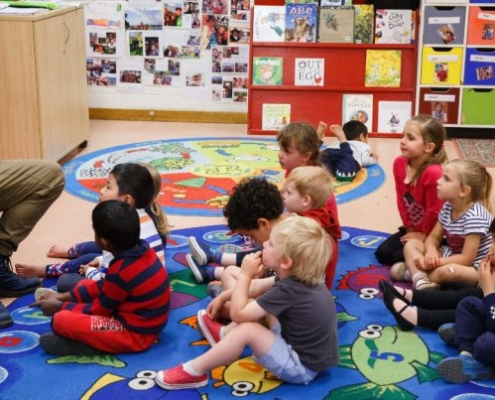 https://www.earlychildhoodaustralia.org.au/wp-content/uploads/2026/01/Reconciliation-blog-AD-768x403-1.jpg
403
768
Adam Duncan
https://www.earlychildhoodaustralia.org.au/wp-content/uploads/2026/03/ECA-logo-two-line-680px-slim-tran.png
Adam Duncan2019-04-26 08:10:182026-01-22 08:14:05Make it personal and meaningful: educators and reconciliation
https://www.earlychildhoodaustralia.org.au/wp-content/uploads/2026/01/Reconciliation-blog-AD-768x403-1.jpg
403
768
Adam Duncan
https://www.earlychildhoodaustralia.org.au/wp-content/uploads/2026/03/ECA-logo-two-line-680px-slim-tran.png
Adam Duncan2019-04-26 08:10:182026-01-22 08:14:05Make it personal and meaningful: educators and reconciliation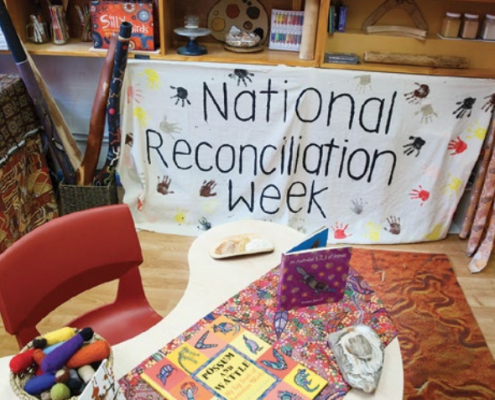 https://www.earlychildhoodaustralia.org.au/wp-content/uploads/2026/01/Cultural-competence-and-reconciliation3.png
710
590
Rachael Phillips
https://www.earlychildhoodaustralia.org.au/wp-content/uploads/2026/03/ECA-logo-two-line-680px-slim-tran.png
Rachael Phillips2019-04-20 15:50:412026-01-22 08:03:38My reflections on reconciliation
https://www.earlychildhoodaustralia.org.au/wp-content/uploads/2026/01/Cultural-competence-and-reconciliation3.png
710
590
Rachael Phillips
https://www.earlychildhoodaustralia.org.au/wp-content/uploads/2026/03/ECA-logo-two-line-680px-slim-tran.png
Rachael Phillips2019-04-20 15:50:412026-01-22 08:03:38My reflections on reconciliation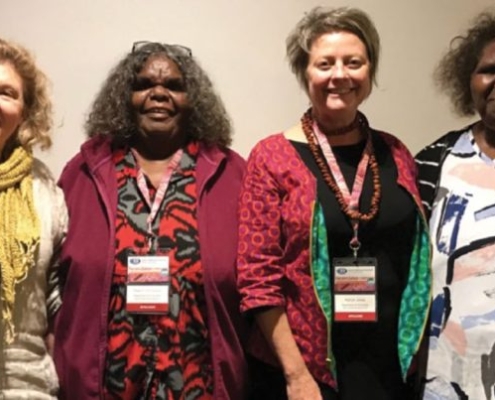 https://www.earlychildhoodaustralia.org.au/wp-content/uploads/2026/01/Ec-blog-reconciliation-768x403-1.jpg
403
768
Early Childhood Australia
https://www.earlychildhoodaustralia.org.au/wp-content/uploads/2026/03/ECA-logo-two-line-680px-slim-tran.png
Early Childhood Australia2019-03-04 13:12:292026-02-03 13:51:56Keeping Aboriginal voices close: Finding a third space in which to teach
https://www.earlychildhoodaustralia.org.au/wp-content/uploads/2026/01/Ec-blog-reconciliation-768x403-1.jpg
403
768
Early Childhood Australia
https://www.earlychildhoodaustralia.org.au/wp-content/uploads/2026/03/ECA-logo-two-line-680px-slim-tran.png
Early Childhood Australia2019-03-04 13:12:292026-02-03 13:51:56Keeping Aboriginal voices close: Finding a third space in which to teach https://www.earlychildhoodaustralia.org.au/wp-content/uploads/2026/01/first-nations-children-blog-768x403-1.jpg
403
768
Early Childhood Australia
https://www.earlychildhoodaustralia.org.au/wp-content/uploads/2026/03/ECA-logo-two-line-680px-slim-tran.png
Early Childhood Australia2019-02-20 12:31:122026-02-03 13:48:59ECA perspective: Australia’s First Nations children
https://www.earlychildhoodaustralia.org.au/wp-content/uploads/2026/01/first-nations-children-blog-768x403-1.jpg
403
768
Early Childhood Australia
https://www.earlychildhoodaustralia.org.au/wp-content/uploads/2026/03/ECA-logo-two-line-680px-slim-tran.png
Early Childhood Australia2019-02-20 12:31:122026-02-03 13:48:59ECA perspective: Australia’s First Nations children https://www.earlychildhoodaustralia.org.au/wp-content/uploads/2026/01/Australia-Day-Blog-768x403-1.jpg
403
768
Early Childhood Australia
https://www.earlychildhoodaustralia.org.au/wp-content/uploads/2026/03/ECA-logo-two-line-680px-slim-tran.png
Early Childhood Australia2019-01-23 08:22:412026-03-24 17:31:21A change of heart as well as date
https://www.earlychildhoodaustralia.org.au/wp-content/uploads/2026/01/Australia-Day-Blog-768x403-1.jpg
403
768
Early Childhood Australia
https://www.earlychildhoodaustralia.org.au/wp-content/uploads/2026/03/ECA-logo-two-line-680px-slim-tran.png
Early Childhood Australia2019-01-23 08:22:412026-03-24 17:31:21A change of heart as well as date https://www.earlychildhoodaustralia.org.au/wp-content/uploads/2026/03/RIPS.png
800
1200
Adam Duncan
https://www.earlychildhoodaustralia.org.au/wp-content/uploads/2026/03/ECA-logo-two-line-680px-slim-tran.png
Adam Duncan2018-12-19 14:19:552026-03-02 14:27:39What does engagement with reconciliation look like in practice?
https://www.earlychildhoodaustralia.org.au/wp-content/uploads/2026/03/RIPS.png
800
1200
Adam Duncan
https://www.earlychildhoodaustralia.org.au/wp-content/uploads/2026/03/ECA-logo-two-line-680px-slim-tran.png
Adam Duncan2018-12-19 14:19:552026-03-02 14:27:39What does engagement with reconciliation look like in practice?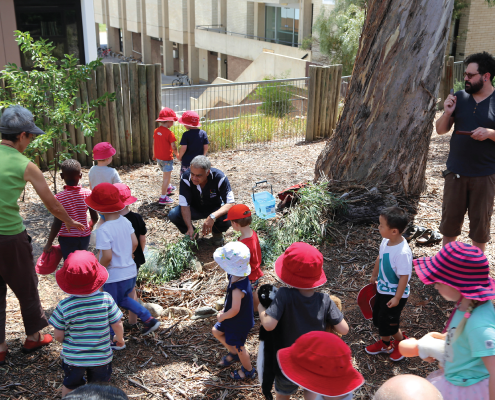 https://www.earlychildhoodaustralia.org.au/wp-content/uploads/2026/02/Communicating-family-diversity-and-celebrations.png
800
1200
Carmel Richardson
https://www.earlychildhoodaustralia.org.au/wp-content/uploads/2026/03/ECA-logo-two-line-680px-slim-tran.png
Carmel Richardson2018-11-16 09:31:102026-03-24 14:49:03Communicating family diversity and celebrations
https://www.earlychildhoodaustralia.org.au/wp-content/uploads/2026/02/Communicating-family-diversity-and-celebrations.png
800
1200
Carmel Richardson
https://www.earlychildhoodaustralia.org.au/wp-content/uploads/2026/03/ECA-logo-two-line-680px-slim-tran.png
Carmel Richardson2018-11-16 09:31:102026-03-24 14:49:03Communicating family diversity and celebrations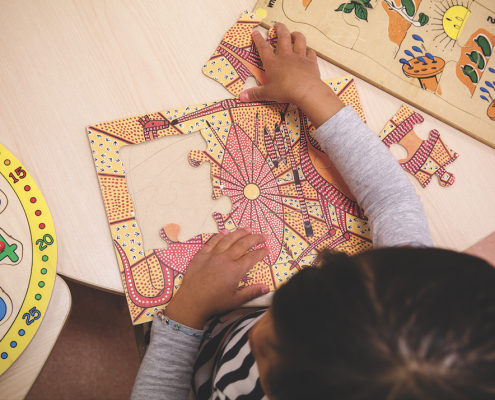 https://www.earlychildhoodaustralia.org.au/wp-content/uploads/2026/02/reconciliation.png
714
1080
Jo Goodwin
https://www.earlychildhoodaustralia.org.au/wp-content/uploads/2026/03/ECA-logo-two-line-680px-slim-tran.png
Jo Goodwin2018-05-28 15:13:362026-02-10 15:25:21What is reconciliation?
https://www.earlychildhoodaustralia.org.au/wp-content/uploads/2026/02/reconciliation.png
714
1080
Jo Goodwin
https://www.earlychildhoodaustralia.org.au/wp-content/uploads/2026/03/ECA-logo-two-line-680px-slim-tran.png
Jo Goodwin2018-05-28 15:13:362026-02-10 15:25:21What is reconciliation?