
Posts
 https://www.earlychildhoodaustralia.org.au/wp-content/uploads/2026/02/Early-signal.First-responses-blog-580x580-1.jpg
580
580
Kate Symington
https://www.earlychildhoodaustralia.org.au/wp-content/uploads/2026/03/ECA-logo-two-line-680px-slim-tran.png
Kate Symington2024-03-25 11:33:272026-02-09 11:44:36Responsive language: Alternative language with real life situations
https://www.earlychildhoodaustralia.org.au/wp-content/uploads/2026/02/Early-signal.First-responses-blog-580x580-1.jpg
580
580
Kate Symington
https://www.earlychildhoodaustralia.org.au/wp-content/uploads/2026/03/ECA-logo-two-line-680px-slim-tran.png
Kate Symington2024-03-25 11:33:272026-02-09 11:44:36Responsive language: Alternative language with real life situations https://www.earlychildhoodaustralia.org.au/wp-content/uploads/2026/02/MicrosoftTeams-image.png
600
1200
Laure Hislop
https://www.earlychildhoodaustralia.org.au/wp-content/uploads/2026/03/ECA-logo-two-line-680px-slim-tran.png
Laure Hislop2023-07-10 14:46:312026-02-03 14:46:52‘I wish I was small enough’, How could a green screen make this a reality?
https://www.earlychildhoodaustralia.org.au/wp-content/uploads/2026/02/MicrosoftTeams-image.png
600
1200
Laure Hislop
https://www.earlychildhoodaustralia.org.au/wp-content/uploads/2026/03/ECA-logo-two-line-680px-slim-tran.png
Laure Hislop2023-07-10 14:46:312026-02-03 14:46:52‘I wish I was small enough’, How could a green screen make this a reality?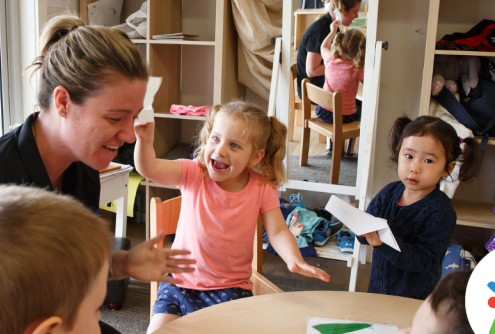 https://www.earlychildhoodaustralia.org.au/wp-content/uploads/2026/02/intentionalteachingyop-768x403-1-e1770011836332.png
334
768
Anna Razak
https://www.earlychildhoodaustralia.org.au/wp-content/uploads/2026/03/ECA-logo-two-line-680px-slim-tran.png
Anna Razak2022-11-28 15:53:412026-02-03 08:14:42Intentional teaching leads to purposeful play-based learning
https://www.earlychildhoodaustralia.org.au/wp-content/uploads/2026/02/intentionalteachingyop-768x403-1-e1770011836332.png
334
768
Anna Razak
https://www.earlychildhoodaustralia.org.au/wp-content/uploads/2026/03/ECA-logo-two-line-680px-slim-tran.png
Anna Razak2022-11-28 15:53:412026-02-03 08:14:42Intentional teaching leads to purposeful play-based learning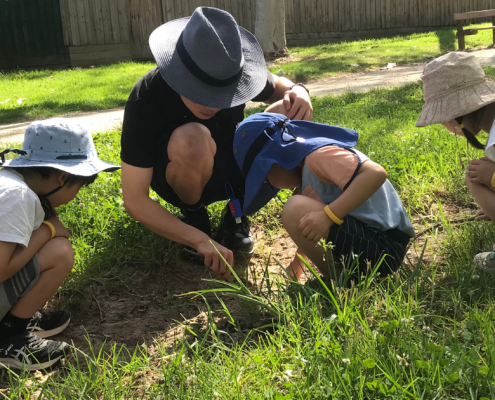 https://www.earlychildhoodaustralia.org.au/wp-content/uploads/2026/02/Untitled-1200-×-630-px-1.png
630
1200
Darren Halim
https://www.earlychildhoodaustralia.org.au/wp-content/uploads/2026/03/ECA-logo-two-line-680px-slim-tran.png
Darren Halim2022-11-07 15:00:222026-02-02 15:05:24Digital documentation vs interaction with children: Finding the right balance
https://www.earlychildhoodaustralia.org.au/wp-content/uploads/2026/02/Untitled-1200-×-630-px-1.png
630
1200
Darren Halim
https://www.earlychildhoodaustralia.org.au/wp-content/uploads/2026/03/ECA-logo-two-line-680px-slim-tran.png
Darren Halim2022-11-07 15:00:222026-02-02 15:05:24Digital documentation vs interaction with children: Finding the right balance https://www.earlychildhoodaustralia.org.au/wp-content/uploads/2022/08/ECA-Conference-2022-Website-Banner2.jpg
599
1577
Dr Laura Jana
https://www.earlychildhoodaustralia.org.au/wp-content/uploads/2026/03/ECA-logo-two-line-680px-slim-tran.png
Dr Laura Jana2022-08-02 09:29:072026-02-02 10:17:22Preparing children for 21st century success: seven key skills
https://www.earlychildhoodaustralia.org.au/wp-content/uploads/2022/08/ECA-Conference-2022-Website-Banner2.jpg
599
1577
Dr Laura Jana
https://www.earlychildhoodaustralia.org.au/wp-content/uploads/2026/03/ECA-logo-two-line-680px-slim-tran.png
Dr Laura Jana2022-08-02 09:29:072026-02-02 10:17:22Preparing children for 21st century success: seven key skills https://www.earlychildhoodaustralia.org.au/wp-content/uploads/2026/01/musicplayyop-768x403-1-e1769750666773.png
334
768
Amy Rothe
https://www.earlychildhoodaustralia.org.au/wp-content/uploads/2026/03/ECA-logo-two-line-680px-slim-tran.png
Amy Rothe2022-06-20 15:18:162026-01-30 15:24:37Music education and play-based learning
https://www.earlychildhoodaustralia.org.au/wp-content/uploads/2026/01/musicplayyop-768x403-1-e1769750666773.png
334
768
Amy Rothe
https://www.earlychildhoodaustralia.org.au/wp-content/uploads/2026/03/ECA-logo-two-line-680px-slim-tran.png
Amy Rothe2022-06-20 15:18:162026-01-30 15:24:37Music education and play-based learning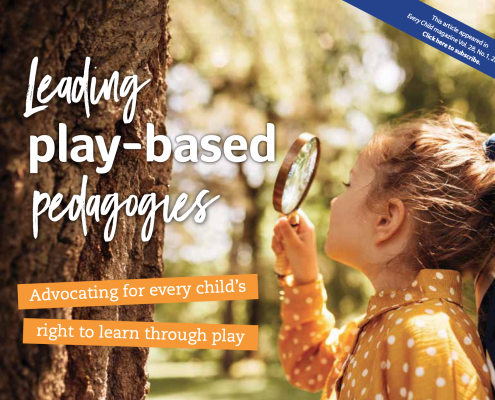 https://www.earlychildhoodaustralia.org.au/wp-content/uploads/2026/01/Leading-play-based-pedagogies.png
1314
1736
Dr Lennie Barblett
https://www.earlychildhoodaustralia.org.au/wp-content/uploads/2026/03/ECA-logo-two-line-680px-slim-tran.png
Dr Lennie Barblett2022-04-22 13:04:352026-01-30 14:14:59Leading play-based pedagogies
https://www.earlychildhoodaustralia.org.au/wp-content/uploads/2026/01/Leading-play-based-pedagogies.png
1314
1736
Dr Lennie Barblett
https://www.earlychildhoodaustralia.org.au/wp-content/uploads/2026/03/ECA-logo-two-line-680px-slim-tran.png
Dr Lennie Barblett2022-04-22 13:04:352026-01-30 14:14:59Leading play-based pedagogies https://www.earlychildhoodaustralia.org.au/wp-content/uploads/2026/01/Superstar-STEM-768x403-1.jpg
403
768
Early Childhood Australia
https://www.earlychildhoodaustralia.org.au/wp-content/uploads/2026/03/ECA-logo-two-line-680px-slim-tran.png
Early Childhood Australia2020-12-03 12:53:362026-01-28 13:02:52STEM Superstars in early childhood education
https://www.earlychildhoodaustralia.org.au/wp-content/uploads/2026/01/Superstar-STEM-768x403-1.jpg
403
768
Early Childhood Australia
https://www.earlychildhoodaustralia.org.au/wp-content/uploads/2026/03/ECA-logo-two-line-680px-slim-tran.png
Early Childhood Australia2020-12-03 12:53:362026-01-28 13:02:52STEM Superstars in early childhood education https://www.earlychildhoodaustralia.org.au/wp-content/uploads/2019/12/Tech-wise-whats-the-plan.png
403
768
Early Childhood Australia
https://www.earlychildhoodaustralia.org.au/wp-content/uploads/2026/03/ECA-logo-two-line-680px-slim-tran.png
Early Childhood Australia2019-12-19 14:09:372026-03-24 10:02:34Tech wise: what’s the plan?
https://www.earlychildhoodaustralia.org.au/wp-content/uploads/2019/12/Tech-wise-whats-the-plan.png
403
768
Early Childhood Australia
https://www.earlychildhoodaustralia.org.au/wp-content/uploads/2026/03/ECA-logo-two-line-680px-slim-tran.png
Early Childhood Australia2019-12-19 14:09:372026-03-24 10:02:34Tech wise: what’s the plan? https://www.earlychildhoodaustralia.org.au/wp-content/uploads/2026/01/A-face-for-early-childhood-teaching1.png
403
768
Karen Hope
https://www.earlychildhoodaustralia.org.au/wp-content/uploads/2026/03/ECA-logo-two-line-680px-slim-tran.png
Karen Hope2019-11-13 11:34:442026-02-03 15:42:59A face for early childhood teaching?
https://www.earlychildhoodaustralia.org.au/wp-content/uploads/2026/01/A-face-for-early-childhood-teaching1.png
403
768
Karen Hope
https://www.earlychildhoodaustralia.org.au/wp-content/uploads/2026/03/ECA-logo-two-line-680px-slim-tran.png
Karen Hope2019-11-13 11:34:442026-02-03 15:42:59A face for early childhood teaching?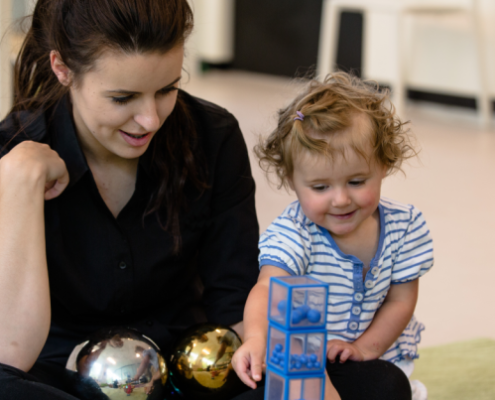 https://www.earlychildhoodaustralia.org.au/wp-content/uploads/2026/01/Professional-love-1.png
403
768
Dr Elizabeth Rouse
https://www.earlychildhoodaustralia.org.au/wp-content/uploads/2026/03/ECA-logo-two-line-680px-slim-tran.png
Dr Elizabeth Rouse2019-07-23 11:31:492026-02-03 15:32:19Love and care—where has it gone in early years practice?
https://www.earlychildhoodaustralia.org.au/wp-content/uploads/2026/01/Professional-love-1.png
403
768
Dr Elizabeth Rouse
https://www.earlychildhoodaustralia.org.au/wp-content/uploads/2026/03/ECA-logo-two-line-680px-slim-tran.png
Dr Elizabeth Rouse2019-07-23 11:31:492026-02-03 15:32:19Love and care—where has it gone in early years practice? https://www.earlychildhoodaustralia.org.au/wp-content/uploads/2026/02/the-spoke-KM-1-e1770686915883.jpg
586
1200
Be You
https://www.earlychildhoodaustralia.org.au/wp-content/uploads/2026/03/ECA-logo-two-line-680px-slim-tran.png
Be You2017-08-11 11:21:382026-02-10 11:34:20Play is vital for children’s mental health and wellbeing
https://www.earlychildhoodaustralia.org.au/wp-content/uploads/2026/02/the-spoke-KM-1-e1770686915883.jpg
586
1200
Be You
https://www.earlychildhoodaustralia.org.au/wp-content/uploads/2026/03/ECA-logo-two-line-680px-slim-tran.png
Be You2017-08-11 11:21:382026-02-10 11:34:20Play is vital for children’s mental health and wellbeing