
Posts
 https://www.earlychildhoodaustralia.org.au/wp-content/uploads/2026/02/Untitled-design-53.png
580
580
Dr Cristina Guarrella
https://www.earlychildhoodaustralia.org.au/wp-content/uploads/2026/03/ECA-logo-two-line-680px-slim-tran.png
Dr Cristina Guarrella2025-02-19 12:55:172026-02-09 12:59:44Gen-AI in early childhood education: Navigating a not-so-new frontier?
https://www.earlychildhoodaustralia.org.au/wp-content/uploads/2026/02/Untitled-design-53.png
580
580
Dr Cristina Guarrella
https://www.earlychildhoodaustralia.org.au/wp-content/uploads/2026/03/ECA-logo-two-line-680px-slim-tran.png
Dr Cristina Guarrella2025-02-19 12:55:172026-02-09 12:59:44Gen-AI in early childhood education: Navigating a not-so-new frontier? https://www.earlychildhoodaustralia.org.au/wp-content/uploads/2026/02/playworkatforrestoshcyop.png
630
1200
Forrest Out of School Hours Care
https://www.earlychildhoodaustralia.org.au/wp-content/uploads/2026/03/ECA-logo-two-line-680px-slim-tran.png
Forrest Out of School Hours Care2023-04-03 11:40:432026-02-04 10:08:25Playwork at Forrest Out of School Hours Care
https://www.earlychildhoodaustralia.org.au/wp-content/uploads/2026/02/playworkatforrestoshcyop.png
630
1200
Forrest Out of School Hours Care
https://www.earlychildhoodaustralia.org.au/wp-content/uploads/2026/03/ECA-logo-two-line-680px-slim-tran.png
Forrest Out of School Hours Care2023-04-03 11:40:432026-02-04 10:08:25Playwork at Forrest Out of School Hours Care https://www.earlychildhoodaustralia.org.au/wp-content/uploads/2026/02/intentionalteachingyop-768x403-1-e1770011836332.png
334
768
Anna Razak
https://www.earlychildhoodaustralia.org.au/wp-content/uploads/2026/03/ECA-logo-two-line-680px-slim-tran.png
Anna Razak2022-11-28 15:53:412026-02-03 08:14:42Intentional teaching leads to purposeful play-based learning
https://www.earlychildhoodaustralia.org.au/wp-content/uploads/2026/02/intentionalteachingyop-768x403-1-e1770011836332.png
334
768
Anna Razak
https://www.earlychildhoodaustralia.org.au/wp-content/uploads/2026/03/ECA-logo-two-line-680px-slim-tran.png
Anna Razak2022-11-28 15:53:412026-02-03 08:14:42Intentional teaching leads to purposeful play-based learning https://www.earlychildhoodaustralia.org.au/wp-content/uploads/2026/02/eca-election-blog-768x403-2-e1769996461976.png
347
768
Joanne Grimmond
https://www.earlychildhoodaustralia.org.au/wp-content/uploads/2026/03/ECA-logo-two-line-680px-slim-tran.png
Joanne Grimmond2022-08-29 11:37:432026-03-19 11:22:26Play in the Home: Why it’s essential for early childhood development
https://www.earlychildhoodaustralia.org.au/wp-content/uploads/2026/02/eca-election-blog-768x403-2-e1769996461976.png
347
768
Joanne Grimmond
https://www.earlychildhoodaustralia.org.au/wp-content/uploads/2026/03/ECA-logo-two-line-680px-slim-tran.png
Joanne Grimmond2022-08-29 11:37:432026-03-19 11:22:26Play in the Home: Why it’s essential for early childhood development https://www.earlychildhoodaustralia.org.au/wp-content/uploads/2022/05/big-ideas1.png
296
823
Chrystal Whiteford
https://www.earlychildhoodaustralia.org.au/wp-content/uploads/2026/03/ECA-logo-two-line-680px-slim-tran.png
Chrystal Whiteford2022-05-02 13:19:232026-01-30 13:38:28What’s the ‘big ideas’?
https://www.earlychildhoodaustralia.org.au/wp-content/uploads/2022/05/big-ideas1.png
296
823
Chrystal Whiteford
https://www.earlychildhoodaustralia.org.au/wp-content/uploads/2026/03/ECA-logo-two-line-680px-slim-tran.png
Chrystal Whiteford2022-05-02 13:19:232026-01-30 13:38:28What’s the ‘big ideas’? https://www.earlychildhoodaustralia.org.au/wp-content/uploads/2026/01/Creativity-istock.jpg
630
1200
Early Childhood Australia
https://www.earlychildhoodaustralia.org.au/wp-content/uploads/2026/03/ECA-logo-two-line-680px-slim-tran.png
Early Childhood Australia2022-04-14 12:50:172026-03-25 14:34:48Creative arts in early childhood
https://www.earlychildhoodaustralia.org.au/wp-content/uploads/2026/01/Creativity-istock.jpg
630
1200
Early Childhood Australia
https://www.earlychildhoodaustralia.org.au/wp-content/uploads/2026/03/ECA-logo-two-line-680px-slim-tran.png
Early Childhood Australia2022-04-14 12:50:172026-03-25 14:34:48Creative arts in early childhood https://www.earlychildhoodaustralia.org.au/wp-content/uploads/2022/02/music-768x403-1-e1769731902457.jpg
248
768
Early Childhood Australia
https://www.earlychildhoodaustralia.org.au/wp-content/uploads/2026/03/ECA-logo-two-line-680px-slim-tran.png
Early Childhood Australia2022-02-07 10:07:372026-01-30 11:34:52Why introduce music to babies and toddlers?
https://www.earlychildhoodaustralia.org.au/wp-content/uploads/2022/02/music-768x403-1-e1769731902457.jpg
248
768
Early Childhood Australia
https://www.earlychildhoodaustralia.org.au/wp-content/uploads/2026/03/ECA-logo-two-line-680px-slim-tran.png
Early Childhood Australia2022-02-07 10:07:372026-01-30 11:34:52Why introduce music to babies and toddlers? https://www.earlychildhoodaustralia.org.au/wp-content/uploads/2026/01/agency-goodstart.gif
630
1200
Catherine Tisdell
https://www.earlychildhoodaustralia.org.au/wp-content/uploads/2026/03/ECA-logo-two-line-680px-slim-tran.png
Catherine Tisdell2021-12-14 08:29:242026-01-30 11:40:51Enabling environments and children’s agency: Connecting the pieces
https://www.earlychildhoodaustralia.org.au/wp-content/uploads/2026/01/agency-goodstart.gif
630
1200
Catherine Tisdell
https://www.earlychildhoodaustralia.org.au/wp-content/uploads/2026/03/ECA-logo-two-line-680px-slim-tran.png
Catherine Tisdell2021-12-14 08:29:242026-01-30 11:40:51Enabling environments and children’s agency: Connecting the pieces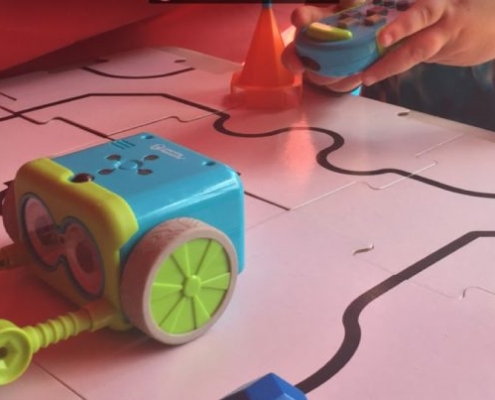 https://www.earlychildhoodaustralia.org.au/wp-content/uploads/2026/01/Robots-768x403-1.jpg
403
768
Dr Sarika Kewalramani
https://www.earlychildhoodaustralia.org.au/wp-content/uploads/2026/03/ECA-logo-two-line-680px-slim-tran.png
Dr Sarika Kewalramani2021-10-01 14:19:372026-03-19 11:27:00Can robots support development?
https://www.earlychildhoodaustralia.org.au/wp-content/uploads/2026/01/Robots-768x403-1.jpg
403
768
Dr Sarika Kewalramani
https://www.earlychildhoodaustralia.org.au/wp-content/uploads/2026/03/ECA-logo-two-line-680px-slim-tran.png
Dr Sarika Kewalramani2021-10-01 14:19:372026-03-19 11:27:00Can robots support development? https://www.earlychildhoodaustralia.org.au/wp-content/uploads/2026/01/cw-fb-2-768x403-1.jpg
403
768
Dr Claire Warden
https://www.earlychildhoodaustralia.org.au/wp-content/uploads/2026/03/ECA-logo-two-line-680px-slim-tran.png
Dr Claire Warden2020-10-09 10:08:492026-01-28 10:27:54The values we lay in outdoor play
https://www.earlychildhoodaustralia.org.au/wp-content/uploads/2026/01/cw-fb-2-768x403-1.jpg
403
768
Dr Claire Warden
https://www.earlychildhoodaustralia.org.au/wp-content/uploads/2026/03/ECA-logo-two-line-680px-slim-tran.png
Dr Claire Warden2020-10-09 10:08:492026-01-28 10:27:54The values we lay in outdoor play https://www.earlychildhoodaustralia.org.au/wp-content/uploads/2019/11/large-Shop-Tile-26.png
1200
1200
Dr Claire Warden
https://www.earlychildhoodaustralia.org.au/wp-content/uploads/2026/03/ECA-logo-two-line-680px-slim-tran.png
Dr Claire Warden2019-11-06 10:33:592026-03-25 10:33:03Child-led planning: Starting the Floorbook Approach
https://www.earlychildhoodaustralia.org.au/wp-content/uploads/2019/11/large-Shop-Tile-26.png
1200
1200
Dr Claire Warden
https://www.earlychildhoodaustralia.org.au/wp-content/uploads/2026/03/ECA-logo-two-line-680px-slim-tran.png
Dr Claire Warden2019-11-06 10:33:592026-03-25 10:33:03Child-led planning: Starting the Floorbook Approach https://www.earlychildhoodaustralia.org.au/wp-content/uploads/2026/01/Whats-in-a-box-Maths.png
403
768
Associate Professor Jenny Jay
https://www.earlychildhoodaustralia.org.au/wp-content/uploads/2026/03/ECA-logo-two-line-680px-slim-tran.png
Associate Professor Jenny Jay2019-10-23 10:09:272026-03-19 11:19:53What’s in a box? Maths!
https://www.earlychildhoodaustralia.org.au/wp-content/uploads/2026/01/Whats-in-a-box-Maths.png
403
768
Associate Professor Jenny Jay
https://www.earlychildhoodaustralia.org.au/wp-content/uploads/2026/03/ECA-logo-two-line-680px-slim-tran.png
Associate Professor Jenny Jay2019-10-23 10:09:272026-03-19 11:19:53What’s in a box? Maths!