Observing children deepens our understanding of their behaviour (BETLS tool)
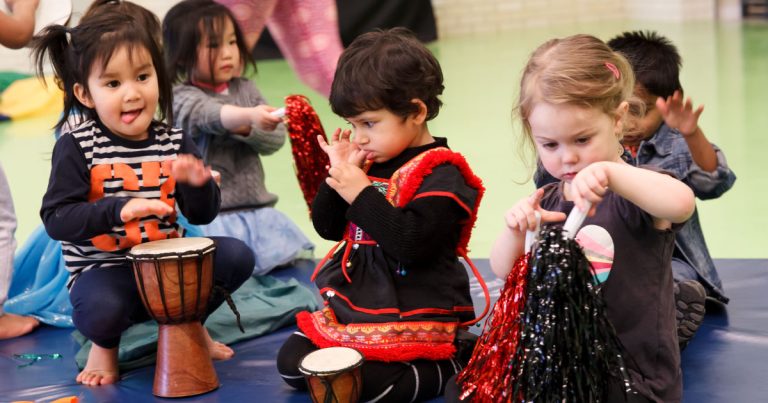
Observing children is a great way of getting to know them. It’s also how we can gather information about their mental health and wellbeing, including noticing their strengths and behaviours that may cause concern or present possible signs of mental health issues. Read more about the behaviour, emotions, thoughts, learning and social relationships (BETLS) observation tool from the Be You team.
Understanding why a child behaves a certain way can inform decisions and planning of how we will respond. Essentially, observations inform our practice.
Identifying when children need extra support comes down to observations
In your early learning service, you may have noticed a child whose behaviour is concerning, or has changed without any obvious reason or seems out of character. If the change is prolonged, significant or disruptive, this can signal the development of a mental health issue or condition.
Some children are at greater risk of developing mental health issues than others, and early identification is important. The earlier a child receives support, the better the chances of overcoming difficulties and reducing the risk of more serious mental health issues. (Be you Professional Learning: Early Support domain, notice module)
Observations about a child’s behaviour should:
- focus only on what you see and hear—not on what you think or feel about a child’s behaviour, thoughts or emotions
- record the frequency, the situation and how the child exhibits a particular behaviour
- note what factors make the behaviour better or worse
- record the length of time the behaviour or emotion lasts
- include what happens before and after the child exhibits such behaviour
- be recorded by different educators at different times, and in different contexts.
(Be You Professional Learning: Early Support domain, notice module: Objective observation)
Using the BETLS tool to observe children’s behaviour
The Behaviour, Emotions, Thoughts, Learning and Social Relationships (BETLS) observation tool can assist you in gathering and documenting information and observations about a child’s behaviour. These observations allow educators to recognise and understand potential mental health issues.
The BETLS tool helps you gather and record information in five broad areas:
- Behaviour—what is the child doing?
- Emotions—what might the child be feeling?
- Thoughts—what might the child be thinking?
- Learning—what learning areas are being affected?
- Social relationships—what social areas are being affected?
BETLS also allows you to consider the following:
- Pervasiveness—who is present at this time and where/when does this behaviour occur?
- Frequency—how often does it happen?
- Persistence—how long has it been happening?
- Severity—how much is it influencing a child’s day-to-day experiences?
Once you have understood the nature of a child’s difficulties, as well as the reasons behind the difficulties, the BETLS tool provides a record of your responses to the concerns.
Conversations with families about a child’s behaviour can be tricky; documented observations can be a good starting point for these discussions. (Be You Professional Learning: Early Support domain, Inquire module: Be prepared; Conversations with families)
Do you have a question about the BETLS tool or about ways of starting conversations with families? If you’re a registered Be You learning community member, you can ask our Consultants these questions.
Registering with Be You is quick, easy and free. If you want more information, please contact us.