
Posts
 https://www.earlychildhoodaustralia.org.au/wp-content/uploads/2026/02/reflective-practice--e1770762147495.png
704
1200
Dr Anne Kennedy
https://www.earlychildhoodaustralia.org.au/wp-content/uploads/2026/03/ECA-logo-two-line-680px-slim-tran.png
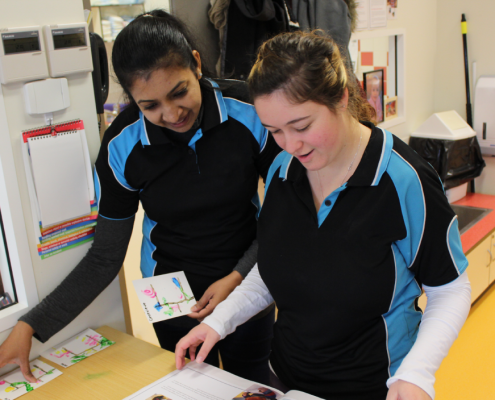
Dr Anne Kennedy2018-07-10 08:14:592026-03-24 10:20:23Reflective Practice: Making a commitment to ongoing learning
https://www.earlychildhoodaustralia.org.au/wp-content/uploads/2026/02/reflective-practice--e1770762147495.png
704
1200
Dr Anne Kennedy
https://www.earlychildhoodaustralia.org.au/wp-content/uploads/2026/03/ECA-logo-two-line-680px-slim-tran.png
Dr Anne Kennedy2018-07-10 08:14:592026-03-24 10:20:23Reflective Practice: Making a commitment to ongoing learning https://www.earlychildhoodaustralia.org.au/wp-content/uploads/2026/02/stuart-s-blog.png
630
1200
Dr Stuart Shanker
https://www.earlychildhoodaustralia.org.au/wp-content/uploads/2026/03/ECA-logo-two-line-680px-slim-tran.png
Dr Stuart Shanker2018-05-29 15:33:252026-02-10 15:40:05The Self-Reg View of: Overcoming Barriers
https://www.earlychildhoodaustralia.org.au/wp-content/uploads/2026/02/stuart-s-blog.png
630
1200
Dr Stuart Shanker
https://www.earlychildhoodaustralia.org.au/wp-content/uploads/2026/03/ECA-logo-two-line-680px-slim-tran.png
Dr Stuart Shanker2018-05-29 15:33:252026-02-10 15:40:05The Self-Reg View of: Overcoming Barriers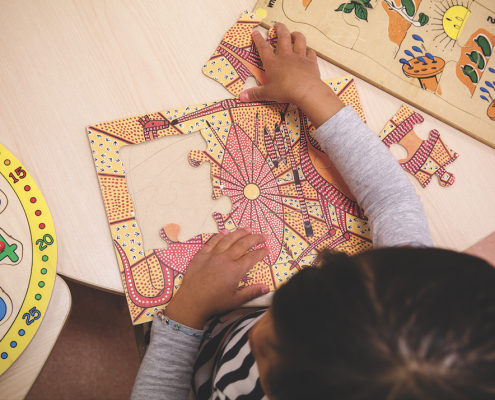 https://www.earlychildhoodaustralia.org.au/wp-content/uploads/2026/02/reconciliation.png
714
1080
Jo Goodwin
https://www.earlychildhoodaustralia.org.au/wp-content/uploads/2026/03/ECA-logo-two-line-680px-slim-tran.png
Jo Goodwin2018-05-28 15:13:362026-02-10 15:25:21What is reconciliation?
https://www.earlychildhoodaustralia.org.au/wp-content/uploads/2026/02/reconciliation.png
714
1080
Jo Goodwin
https://www.earlychildhoodaustralia.org.au/wp-content/uploads/2026/03/ECA-logo-two-line-680px-slim-tran.png
Jo Goodwin2018-05-28 15:13:362026-02-10 15:25:21What is reconciliation?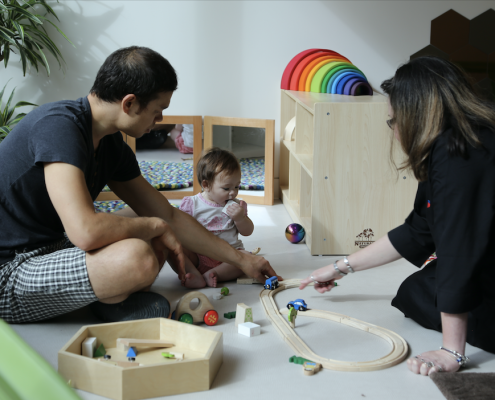 https://www.earlychildhoodaustralia.org.au/wp-content/uploads/2026/02/Screen-Shot-2018-02-14-at-4.49.49-pm.png
702
1056
Early Childhood Australia
https://www.earlychildhoodaustralia.org.au/wp-content/uploads/2026/03/ECA-logo-two-line-680px-slim-tran.png
Early Childhood Australia2018-02-14 14:30:172026-02-10 14:34:44Live and learn: living spaces
https://www.earlychildhoodaustralia.org.au/wp-content/uploads/2026/02/Screen-Shot-2018-02-14-at-4.49.49-pm.png
702
1056
Early Childhood Australia
https://www.earlychildhoodaustralia.org.au/wp-content/uploads/2026/03/ECA-logo-two-line-680px-slim-tran.png
Early Childhood Australia2018-02-14 14:30:172026-02-10 14:34:44Live and learn: living spaces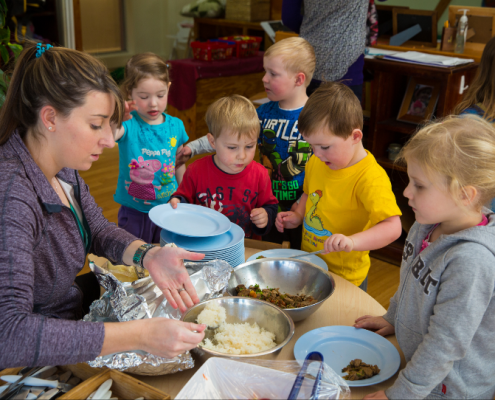 https://www.earlychildhoodaustralia.org.au/wp-content/uploads/2026/02/spoke-blog.png
542
811
Karen Winderlich
https://www.earlychildhoodaustralia.org.au/wp-content/uploads/2026/03/ECA-logo-two-line-680px-slim-tran.png
Karen Winderlich2017-11-09 12:01:262026-03-24 10:11:46Routines: Opportunities for learning and connecting
https://www.earlychildhoodaustralia.org.au/wp-content/uploads/2026/02/spoke-blog.png
542
811
Karen Winderlich
https://www.earlychildhoodaustralia.org.au/wp-content/uploads/2026/03/ECA-logo-two-line-680px-slim-tran.png
Karen Winderlich2017-11-09 12:01:262026-03-24 10:11:46Routines: Opportunities for learning and connecting https://www.earlychildhoodaustralia.org.au/wp-content/uploads/2026/02/play1-e1770685922786.png
382
779
Dr Yeshe Colliver
https://www.earlychildhoodaustralia.org.au/wp-content/uploads/2026/03/ECA-logo-two-line-680px-slim-tran.png
Dr Yeshe Colliver2017-10-27 11:08:532026-03-19 14:00:40Children’s right to play and its benefits
https://www.earlychildhoodaustralia.org.au/wp-content/uploads/2026/02/play1-e1770685922786.png
382
779
Dr Yeshe Colliver
https://www.earlychildhoodaustralia.org.au/wp-content/uploads/2026/03/ECA-logo-two-line-680px-slim-tran.png
Dr Yeshe Colliver2017-10-27 11:08:532026-03-19 14:00:40Children’s right to play and its benefits https://www.earlychildhoodaustralia.org.au/wp-content/uploads/2026/02/the-spoke-KM-1-e1770686915883.jpg
586
1200
Be You
https://www.earlychildhoodaustralia.org.au/wp-content/uploads/2026/03/ECA-logo-two-line-680px-slim-tran.png
Be You2017-08-11 11:21:382026-02-10 11:34:20Play is vital for children’s mental health and wellbeing
https://www.earlychildhoodaustralia.org.au/wp-content/uploads/2026/02/the-spoke-KM-1-e1770686915883.jpg
586
1200
Be You
https://www.earlychildhoodaustralia.org.au/wp-content/uploads/2026/03/ECA-logo-two-line-680px-slim-tran.png
Be You2017-08-11 11:21:382026-02-10 11:34:20Play is vital for children’s mental health and wellbeing https://www.earlychildhoodaustralia.org.au/wp-content/uploads/2026/02/spoke-garden-image.png
501
751
Richard Clayton
https://www.earlychildhoodaustralia.org.au/wp-content/uploads/2026/03/ECA-logo-two-line-680px-slim-tran.png
Richard Clayton2017-07-07 11:47:262026-03-12 12:19:02Health benefits of gardening for children
https://www.earlychildhoodaustralia.org.au/wp-content/uploads/2026/02/spoke-garden-image.png
501
751
Richard Clayton
https://www.earlychildhoodaustralia.org.au/wp-content/uploads/2026/03/ECA-logo-two-line-680px-slim-tran.png
Richard Clayton2017-07-07 11:47:262026-03-12 12:19:02Health benefits of gardening for children https://www.earlychildhoodaustralia.org.au/wp-content/uploads/2026/02/animals-e1770695372675.png
369
606
Jacqueline Boyd
https://www.earlychildhoodaustralia.org.au/wp-content/uploads/2026/03/ECA-logo-two-line-680px-slim-tran.png
Jacqueline Boyd2017-06-06 13:44:462026-03-19 11:25:15How animals can help autistic children
https://www.earlychildhoodaustralia.org.au/wp-content/uploads/2026/02/animals-e1770695372675.png
369
606
Jacqueline Boyd
https://www.earlychildhoodaustralia.org.au/wp-content/uploads/2026/03/ECA-logo-two-line-680px-slim-tran.png
Jacqueline Boyd2017-06-06 13:44:462026-03-19 11:25:15How animals can help autistic children https://www.earlychildhoodaustralia.org.au/wp-content/uploads/2026/02/spoke-photo-1.png
655
961
Erica Gardner
https://www.earlychildhoodaustralia.org.au/wp-content/uploads/2026/03/ECA-logo-two-line-680px-slim-tran.png
Erica Gardner2017-05-04 10:22:312026-03-19 14:00:55Embracing inclusion—an educator’s experience
https://www.earlychildhoodaustralia.org.au/wp-content/uploads/2026/02/spoke-photo-1.png
655
961
Erica Gardner
https://www.earlychildhoodaustralia.org.au/wp-content/uploads/2026/03/ECA-logo-two-line-680px-slim-tran.png
Erica Gardner2017-05-04 10:22:312026-03-19 14:00:55Embracing inclusion—an educator’s experience https://www.earlychildhoodaustralia.org.au/wp-content/uploads/2026/02/ART_7360.jpg
1440
2160
Karen Hope
https://www.earlychildhoodaustralia.org.au/wp-content/uploads/2026/03/ECA-logo-two-line-680px-slim-tran.png
Karen Hope2016-09-09 10:13:492026-03-25 15:02:22The documentation pilgrimage
https://www.earlychildhoodaustralia.org.au/wp-content/uploads/2026/02/ART_7360.jpg
1440
2160
Karen Hope
https://www.earlychildhoodaustralia.org.au/wp-content/uploads/2026/03/ECA-logo-two-line-680px-slim-tran.png
Karen Hope2016-09-09 10:13:492026-03-25 15:02:22The documentation pilgrimage https://www.earlychildhoodaustralia.org.au/wp-content/uploads/2016/08/Cultural-considerations-Welcoming-refugee-children-and-families-into-our-services-e1770681624184.png
527
836
Meni Tsambouniaris
https://www.earlychildhoodaustralia.org.au/wp-content/uploads/2026/03/ECA-logo-two-line-680px-slim-tran.png
Meni Tsambouniaris2016-08-17 09:52:352026-03-12 12:09:06Cultural considerations: Welcoming refugee children and families into our services
https://www.earlychildhoodaustralia.org.au/wp-content/uploads/2016/08/Cultural-considerations-Welcoming-refugee-children-and-families-into-our-services-e1770681624184.png
527
836
Meni Tsambouniaris
https://www.earlychildhoodaustralia.org.au/wp-content/uploads/2026/03/ECA-logo-two-line-680px-slim-tran.png
Meni Tsambouniaris2016-08-17 09:52:352026-03-12 12:09:06Cultural considerations: Welcoming refugee children and families into our services