
Posts
 https://www.earlychildhoodaustralia.org.au/wp-content/uploads/2026/01/vaccine-768x403-1.jpg
403
768
Catharine Hydon
https://www.earlychildhoodaustralia.org.au/wp-content/uploads/2026/03/ECA-logo-two-line-680px-slim-tran.png
Catharine Hydon2021-09-21 13:47:512026-03-25 13:14:27No Jab, no p(l)ay
https://www.earlychildhoodaustralia.org.au/wp-content/uploads/2026/01/vaccine-768x403-1.jpg
403
768
Catharine Hydon
https://www.earlychildhoodaustralia.org.au/wp-content/uploads/2026/03/ECA-logo-two-line-680px-slim-tran.png
Catharine Hydon2021-09-21 13:47:512026-03-25 13:14:27No Jab, no p(l)ay https://www.earlychildhoodaustralia.org.au/wp-content/uploads/2026/01/Music-in-early-learning-scaled.jpg
2560
1920
Amy Rothe
https://www.earlychildhoodaustralia.org.au/wp-content/uploads/2026/03/ECA-logo-two-line-680px-slim-tran.png
Amy Rothe2021-09-02 13:11:472026-03-25 13:07:45Music in early learning
https://www.earlychildhoodaustralia.org.au/wp-content/uploads/2026/01/Music-in-early-learning-scaled.jpg
2560
1920
Amy Rothe
https://www.earlychildhoodaustralia.org.au/wp-content/uploads/2026/03/ECA-logo-two-line-680px-slim-tran.png
Amy Rothe2021-09-02 13:11:472026-03-25 13:07:45Music in early learning https://www.earlychildhoodaustralia.org.au/wp-content/uploads/2026/01/iStock-546176562-reduced-768x512-1.jpg
512
768
Molly Rhodin
https://www.earlychildhoodaustralia.org.au/wp-content/uploads/2026/03/ECA-logo-two-line-680px-slim-tran.png
Molly Rhodin2021-08-18 13:01:382026-01-29 15:07:40Indigenous food nourishes connections
https://www.earlychildhoodaustralia.org.au/wp-content/uploads/2026/01/iStock-546176562-reduced-768x512-1.jpg
512
768
Molly Rhodin
https://www.earlychildhoodaustralia.org.au/wp-content/uploads/2026/03/ECA-logo-two-line-680px-slim-tran.png
Molly Rhodin2021-08-18 13:01:382026-01-29 15:07:40Indigenous food nourishes connections https://www.earlychildhoodaustralia.org.au/wp-content/uploads/2026/01/Jen-Jackson-blog-768x403-1.jpg
403
768
Dr Jen Jackson
https://www.earlychildhoodaustralia.org.au/wp-content/uploads/2026/03/ECA-logo-two-line-680px-slim-tran.png
Dr Jen Jackson2021-07-23 12:16:322026-01-30 11:50:00Does early learning matter enough in Australia?
https://www.earlychildhoodaustralia.org.au/wp-content/uploads/2026/01/Jen-Jackson-blog-768x403-1.jpg
403
768
Dr Jen Jackson
https://www.earlychildhoodaustralia.org.au/wp-content/uploads/2026/03/ECA-logo-two-line-680px-slim-tran.png
Dr Jen Jackson2021-07-23 12:16:322026-01-30 11:50:00Does early learning matter enough in Australia? https://www.earlychildhoodaustralia.org.au/wp-content/uploads/2026/01/Racism-blog-1-2.gif
630
1200
Tanya Burr
https://www.earlychildhoodaustralia.org.au/wp-content/uploads/2026/03/ECA-logo-two-line-680px-slim-tran.png
Tanya Burr2021-07-02 12:07:582026-01-30 11:50:29The industrial worth of early childhood educators
https://www.earlychildhoodaustralia.org.au/wp-content/uploads/2026/01/Racism-blog-1-2.gif
630
1200
Tanya Burr
https://www.earlychildhoodaustralia.org.au/wp-content/uploads/2026/03/ECA-logo-two-line-680px-slim-tran.png
Tanya Burr2021-07-02 12:07:582026-01-30 11:50:29The industrial worth of early childhood educators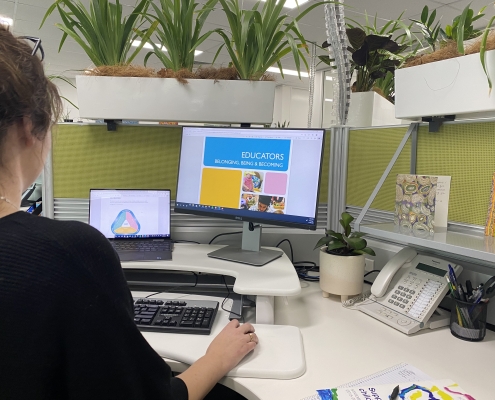 https://www.earlychildhoodaustralia.org.au/wp-content/uploads/2026/01/EYLF-scaled.jpeg
1920
2560
Dr Fay Hadley
https://www.earlychildhoodaustralia.org.au/wp-content/uploads/2026/03/ECA-logo-two-line-680px-slim-tran.png
Dr Fay Hadley2021-06-22 11:32:092026-03-19 11:21:31It’s time for us to have our say in the Approved Learning Frameworks update
https://www.earlychildhoodaustralia.org.au/wp-content/uploads/2026/01/EYLF-scaled.jpeg
1920
2560
Dr Fay Hadley
https://www.earlychildhoodaustralia.org.au/wp-content/uploads/2026/03/ECA-logo-two-line-680px-slim-tran.png
Dr Fay Hadley2021-06-22 11:32:092026-03-19 11:21:31It’s time for us to have our say in the Approved Learning Frameworks update https://www.earlychildhoodaustralia.org.au/wp-content/uploads/2026/01/iStock-152970108-small-768x768-1.jpg
768
768
Early Childhood Australia
https://www.earlychildhoodaustralia.org.au/wp-content/uploads/2026/03/ECA-logo-two-line-680px-slim-tran.png
Early Childhood Australia2021-05-17 10:26:152026-03-25 12:55:14Consent, body safety and the rights of the child
https://www.earlychildhoodaustralia.org.au/wp-content/uploads/2026/01/iStock-152970108-small-768x768-1.jpg
768
768
Early Childhood Australia
https://www.earlychildhoodaustralia.org.au/wp-content/uploads/2026/03/ECA-logo-two-line-680px-slim-tran.png
Early Childhood Australia2021-05-17 10:26:152026-03-25 12:55:14Consent, body safety and the rights of the child https://www.earlychildhoodaustralia.org.au/wp-content/uploads/2026/01/Jean-Eden.jpg
775
1378
Catharine Hydon
https://www.earlychildhoodaustralia.org.au/wp-content/uploads/2026/03/ECA-logo-two-line-680px-slim-tran.png
Catharine Hydon2021-05-14 10:18:182026-01-30 11:51:44Summing up a professional life #contributiontoecec
https://www.earlychildhoodaustralia.org.au/wp-content/uploads/2026/01/Jean-Eden.jpg
775
1378
Catharine Hydon
https://www.earlychildhoodaustralia.org.au/wp-content/uploads/2026/03/ECA-logo-two-line-680px-slim-tran.png
Catharine Hydon2021-05-14 10:18:182026-01-30 11:51:44Summing up a professional life #contributiontoecec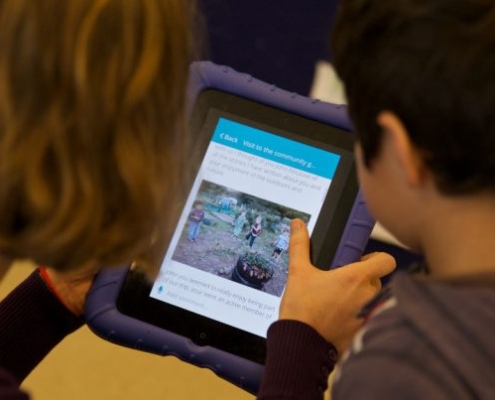 https://www.earlychildhoodaustralia.org.au/wp-content/uploads/2026/01/DIG-DOC-blog-768x403-1.jpg
403
768
Storypark
https://www.earlychildhoodaustralia.org.au/wp-content/uploads/2026/03/ECA-logo-two-line-680px-slim-tran.png
Storypark2021-04-30 09:51:012026-01-29 10:16:15Documentation: Do you document too much, too little or too late?
https://www.earlychildhoodaustralia.org.au/wp-content/uploads/2026/01/DIG-DOC-blog-768x403-1.jpg
403
768
Storypark
https://www.earlychildhoodaustralia.org.au/wp-content/uploads/2026/03/ECA-logo-two-line-680px-slim-tran.png
Storypark2021-04-30 09:51:012026-01-29 10:16:15Documentation: Do you document too much, too little or too late? https://www.earlychildhoodaustralia.org.au/wp-content/uploads/2026/01/Empowering-the-child-in-2020-e1769644100165.jpg
321
768
Alexandra White
https://www.earlychildhoodaustralia.org.au/wp-content/uploads/2026/03/ECA-logo-two-line-680px-slim-tran.png
Alexandra White2021-04-23 09:37:322026-01-29 09:48:29Empowering the child in 2020
https://www.earlychildhoodaustralia.org.au/wp-content/uploads/2026/01/Empowering-the-child-in-2020-e1769644100165.jpg
321
768
Alexandra White
https://www.earlychildhoodaustralia.org.au/wp-content/uploads/2026/03/ECA-logo-two-line-680px-slim-tran.png
Alexandra White2021-04-23 09:37:322026-01-29 09:48:29Empowering the child in 2020 https://www.earlychildhoodaustralia.org.au/wp-content/uploads/2026/01/Minister-Stitt-1-768x403-1.jpg
403
768
Ingrid Stitt
https://www.earlychildhoodaustralia.org.au/wp-content/uploads/2026/03/ECA-logo-two-line-680px-slim-tran.png
Ingrid Stitt2021-04-19 09:24:542026-01-29 10:17:18Kindergarten funding, time for an ongoing commitment
https://www.earlychildhoodaustralia.org.au/wp-content/uploads/2026/01/Minister-Stitt-1-768x403-1.jpg
403
768
Ingrid Stitt
https://www.earlychildhoodaustralia.org.au/wp-content/uploads/2026/03/ECA-logo-two-line-680px-slim-tran.png
Ingrid Stitt2021-04-19 09:24:542026-01-29 10:17:18Kindergarten funding, time for an ongoing commitment https://www.earlychildhoodaustralia.org.au/wp-content/uploads/2026/01/EC-article-partnerships-disabilities-768x403-1.jpg
403
768
Early Childhood Australia
https://www.earlychildhoodaustralia.org.au/wp-content/uploads/2026/03/ECA-logo-two-line-680px-slim-tran.png
Early Childhood Australia2021-04-15 09:09:102026-03-19 11:27:38Partnerships with families of young children with disabilities
https://www.earlychildhoodaustralia.org.au/wp-content/uploads/2026/01/EC-article-partnerships-disabilities-768x403-1.jpg
403
768
Early Childhood Australia
https://www.earlychildhoodaustralia.org.au/wp-content/uploads/2026/03/ECA-logo-two-line-680px-slim-tran.png
Early Childhood Australia2021-04-15 09:09:102026-03-19 11:27:38Partnerships with families of young children with disabilities