
 https://www.earlychildhoodaustralia.org.au/wp-content/uploads/2026/01/Cultural-awareness-blog-768x403-1.jpg
403
768
Early Childhood Australia
https://www.earlychildhoodaustralia.org.au/wp-content/uploads/2026/03/ECA-logo-two-line-680px-slim-tran.png
Early Childhood Australia2022-03-09 11:29:472026-01-30 11:58:13Exploring reconciliation and cultural awareness in early childhood
https://www.earlychildhoodaustralia.org.au/wp-content/uploads/2026/01/Cultural-awareness-blog-768x403-1.jpg
403
768
Early Childhood Australia
https://www.earlychildhoodaustralia.org.au/wp-content/uploads/2026/03/ECA-logo-two-line-680px-slim-tran.png
Early Childhood Australia2022-03-09 11:29:472026-01-30 11:58:13Exploring reconciliation and cultural awareness in early childhood https://www.earlychildhoodaustralia.org.au/wp-content/uploads/2026/01/cultural-competence-in-EC-.jpg
630
1200
Dr Somayeh Ba Akhlagh
https://www.earlychildhoodaustralia.org.au/wp-content/uploads/2026/03/ECA-logo-two-line-680px-slim-tran.png
Dr Somayeh Ba Akhlagh2022-03-08 11:13:092026-03-25 14:19:34Promoting cultural competence in early childhood
https://www.earlychildhoodaustralia.org.au/wp-content/uploads/2026/01/cultural-competence-in-EC-.jpg
630
1200
Dr Somayeh Ba Akhlagh
https://www.earlychildhoodaustralia.org.au/wp-content/uploads/2026/03/ECA-logo-two-line-680px-slim-tran.png
Dr Somayeh Ba Akhlagh2022-03-08 11:13:092026-03-25 14:19:34Promoting cultural competence in early childhood https://www.earlychildhoodaustralia.org.au/wp-content/uploads/2026/01/Karen-Hope.gif
630
1200
Susan Jones
https://www.earlychildhoodaustralia.org.au/wp-content/uploads/2026/03/ECA-logo-two-line-680px-slim-tran.png
Susan Jones2022-02-22 11:03:082026-01-30 11:06:28Knowing you, knowing me: Maintaining relationships
https://www.earlychildhoodaustralia.org.au/wp-content/uploads/2026/01/Karen-Hope.gif
630
1200
Susan Jones
https://www.earlychildhoodaustralia.org.au/wp-content/uploads/2026/03/ECA-logo-two-line-680px-slim-tran.png
Susan Jones2022-02-22 11:03:082026-01-30 11:06:28Knowing you, knowing me: Maintaining relationships https://www.earlychildhoodaustralia.org.au/wp-content/uploads/2026/01/HESTA-blog-768x403-1.jpg
403
768
HESTA Industry super fund
https://www.earlychildhoodaustralia.org.au/wp-content/uploads/2026/03/ECA-logo-two-line-680px-slim-tran.png
HESTA Industry super fund2022-02-15 10:31:452026-01-30 11:33:46Why climate change matters in early childhood
https://www.earlychildhoodaustralia.org.au/wp-content/uploads/2026/01/HESTA-blog-768x403-1.jpg
403
768
HESTA Industry super fund
https://www.earlychildhoodaustralia.org.au/wp-content/uploads/2026/03/ECA-logo-two-line-680px-slim-tran.png
HESTA Industry super fund2022-02-15 10:31:452026-01-30 11:33:46Why climate change matters in early childhood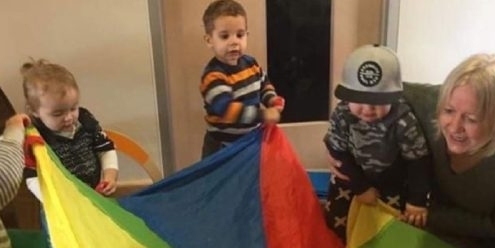 https://www.earlychildhoodaustralia.org.au/wp-content/uploads/2022/02/music-768x403-1-e1769731902457.jpg
248
768
Early Childhood Australia
https://www.earlychildhoodaustralia.org.au/wp-content/uploads/2026/03/ECA-logo-two-line-680px-slim-tran.png
Early Childhood Australia2022-02-07 10:07:372026-01-30 11:34:52Why introduce music to babies and toddlers?
https://www.earlychildhoodaustralia.org.au/wp-content/uploads/2022/02/music-768x403-1-e1769731902457.jpg
248
768
Early Childhood Australia
https://www.earlychildhoodaustralia.org.au/wp-content/uploads/2026/03/ECA-logo-two-line-680px-slim-tran.png
Early Childhood Australia2022-02-07 10:07:372026-01-30 11:34:52Why introduce music to babies and toddlers? https://www.earlychildhoodaustralia.org.au/wp-content/uploads/2026/01/AERO-blog.gif
630
1200
Zid Mancenido
https://www.earlychildhoodaustralia.org.au/wp-content/uploads/2026/03/ECA-logo-two-line-680px-slim-tran.png
Zid Mancenido2022-01-28 09:55:242026-01-30 11:34:18Using evidence to improve children’s outcomes
https://www.earlychildhoodaustralia.org.au/wp-content/uploads/2026/01/AERO-blog.gif
630
1200
Zid Mancenido
https://www.earlychildhoodaustralia.org.au/wp-content/uploads/2026/03/ECA-logo-two-line-680px-slim-tran.png
Zid Mancenido2022-01-28 09:55:242026-01-30 11:34:18Using evidence to improve children’s outcomes https://www.earlychildhoodaustralia.org.au/wp-content/uploads/2022/01/Screenshot-2026-01-30-103724.png
406
1059
Early Childhood Australia
https://www.earlychildhoodaustralia.org.au/wp-content/uploads/2026/03/ECA-logo-two-line-680px-slim-tran.png
Early Childhood Australia2022-01-24 09:28:152026-03-24 14:41:40Walking together
https://www.earlychildhoodaustralia.org.au/wp-content/uploads/2022/01/Screenshot-2026-01-30-103724.png
406
1059
Early Childhood Australia
https://www.earlychildhoodaustralia.org.au/wp-content/uploads/2026/03/ECA-logo-two-line-680px-slim-tran.png
Early Childhood Australia2022-01-24 09:28:152026-03-24 14:41:40Walking together https://www.earlychildhoodaustralia.org.au/wp-content/uploads/2026/01/self-reg-educator-Jan-2022-768x403-1.jpg
403
768
Dr Stuart Shanker
https://www.earlychildhoodaustralia.org.au/wp-content/uploads/2026/03/ECA-logo-two-line-680px-slim-tran.png
Dr Stuart Shanker2022-01-17 09:20:312026-03-19 11:21:47The Self-Reg early childhood educator
https://www.earlychildhoodaustralia.org.au/wp-content/uploads/2026/01/self-reg-educator-Jan-2022-768x403-1.jpg
403
768
Dr Stuart Shanker
https://www.earlychildhoodaustralia.org.au/wp-content/uploads/2026/03/ECA-logo-two-line-680px-slim-tran.png
Dr Stuart Shanker2022-01-17 09:20:312026-03-19 11:21:47The Self-Reg early childhood educator https://www.earlychildhoodaustralia.org.au/wp-content/uploads/2026/01/what-lies-ahead-1.jpg
630
1200
Professor Caroline Cohrssen
https://www.earlychildhoodaustralia.org.au/wp-content/uploads/2026/03/ECA-logo-two-line-680px-slim-tran.png
Professor Caroline Cohrssen2021-12-21 08:39:232026-01-30 11:39:53Being aware of what children hear and see
https://www.earlychildhoodaustralia.org.au/wp-content/uploads/2026/01/what-lies-ahead-1.jpg
630
1200
Professor Caroline Cohrssen
https://www.earlychildhoodaustralia.org.au/wp-content/uploads/2026/03/ECA-logo-two-line-680px-slim-tran.png
Professor Caroline Cohrssen2021-12-21 08:39:232026-01-30 11:39:53Being aware of what children hear and see https://www.earlychildhoodaustralia.org.au/wp-content/uploads/2026/01/agency-goodstart.gif
630
1200
Catherine Tisdell
https://www.earlychildhoodaustralia.org.au/wp-content/uploads/2026/03/ECA-logo-two-line-680px-slim-tran.png
Catherine Tisdell2021-12-14 08:29:242026-01-30 11:40:51Enabling environments and children’s agency: Connecting the pieces
https://www.earlychildhoodaustralia.org.au/wp-content/uploads/2026/01/agency-goodstart.gif
630
1200
Catherine Tisdell
https://www.earlychildhoodaustralia.org.au/wp-content/uploads/2026/03/ECA-logo-two-line-680px-slim-tran.png
Catherine Tisdell2021-12-14 08:29:242026-01-30 11:40:51Enabling environments and children’s agency: Connecting the pieces https://www.earlychildhoodaustralia.org.au/wp-content/uploads/2026/01/Honouring-educators-768x403-1.jpg
403
768
Grace Ayliffe
https://www.earlychildhoodaustralia.org.au/wp-content/uploads/2026/03/ECA-logo-two-line-680px-slim-tran.png
Grace Ayliffe2021-11-23 08:16:562026-01-30 11:41:31Creating a world-class early education system
https://www.earlychildhoodaustralia.org.au/wp-content/uploads/2026/01/Honouring-educators-768x403-1.jpg
403
768
Grace Ayliffe
https://www.earlychildhoodaustralia.org.au/wp-content/uploads/2026/03/ECA-logo-two-line-680px-slim-tran.png
Grace Ayliffe2021-11-23 08:16:562026-01-30 11:41:31Creating a world-class early education system https://www.earlychildhoodaustralia.org.au/wp-content/uploads/2026/01/pro-love-SS.gif
630
1200
Sarah Louise Gandolfo
https://www.earlychildhoodaustralia.org.au/wp-content/uploads/2026/03/ECA-logo-two-line-680px-slim-tran.png
Sarah Louise Gandolfo2021-11-12 15:53:212026-03-19 11:27:31Mythbusting professional love
https://www.earlychildhoodaustralia.org.au/wp-content/uploads/2026/01/pro-love-SS.gif
630
1200
Sarah Louise Gandolfo
https://www.earlychildhoodaustralia.org.au/wp-content/uploads/2026/03/ECA-logo-two-line-680px-slim-tran.png
Sarah Louise Gandolfo2021-11-12 15:53:212026-03-19 11:27:31Mythbusting professional love