
 https://www.earlychildhoodaustralia.org.au/wp-content/uploads/2026/01/Transition-blog-1200x630-768x403-2.jpg
403
768
Virginia Artinian
https://www.earlychildhoodaustralia.org.au/wp-content/uploads/2026/03/ECA-logo-two-line-680px-slim-tran.png
Virginia Artinian2019-02-28 12:13:512026-02-03 13:50:57Transition to school: a primary perspective
https://www.earlychildhoodaustralia.org.au/wp-content/uploads/2026/01/Transition-blog-1200x630-768x403-2.jpg
403
768
Virginia Artinian
https://www.earlychildhoodaustralia.org.au/wp-content/uploads/2026/03/ECA-logo-two-line-680px-slim-tran.png
Virginia Artinian2019-02-28 12:13:512026-02-03 13:50:57Transition to school: a primary perspective https://www.earlychildhoodaustralia.org.au/wp-content/uploads/2019/02/iStock-1198690291-reggio-image-for-spoke.jpg
1282
1920
Karen Hope
https://www.earlychildhoodaustralia.org.au/wp-content/uploads/2026/03/ECA-logo-two-line-680px-slim-tran.png
Karen Hope2019-02-17 11:37:272026-03-29 20:41:41Why is the Reggio Emilia project so important for early learning environments in Australia?
https://www.earlychildhoodaustralia.org.au/wp-content/uploads/2019/02/iStock-1198690291-reggio-image-for-spoke.jpg
1282
1920
Karen Hope
https://www.earlychildhoodaustralia.org.au/wp-content/uploads/2026/03/ECA-logo-two-line-680px-slim-tran.png
Karen Hope2019-02-17 11:37:272026-03-29 20:41:41Why is the Reggio Emilia project so important for early learning environments in Australia? https://www.earlychildhoodaustralia.org.au/wp-content/uploads/2019/01/ART_6170.jpg
1091
1611
Dr Sue Elliott
https://www.earlychildhoodaustralia.org.au/wp-content/uploads/2026/03/ECA-logo-two-line-680px-slim-tran.png
Dr Sue Elliott2019-01-15 15:00:212026-02-03 13:44:54Thinking about meanings of sustainability
https://www.earlychildhoodaustralia.org.au/wp-content/uploads/2019/01/ART_6170.jpg
1091
1611
Dr Sue Elliott
https://www.earlychildhoodaustralia.org.au/wp-content/uploads/2026/03/ECA-logo-two-line-680px-slim-tran.png
Dr Sue Elliott2019-01-15 15:00:212026-02-03 13:44:54Thinking about meanings of sustainability https://www.earlychildhoodaustralia.org.au/wp-content/uploads/2026/02/reading-blog-e1770762708701.jpg
634
1200
Dr Jane Torr
https://www.earlychildhoodaustralia.org.au/wp-content/uploads/2026/03/ECA-logo-two-line-680px-slim-tran.png
Dr Jane Torr2018-12-07 08:31:132026-02-11 08:41:23Children’s literature as a gateway to reading
https://www.earlychildhoodaustralia.org.au/wp-content/uploads/2026/02/reading-blog-e1770762708701.jpg
634
1200
Dr Jane Torr
https://www.earlychildhoodaustralia.org.au/wp-content/uploads/2026/03/ECA-logo-two-line-680px-slim-tran.png
Dr Jane Torr2018-12-07 08:31:132026-02-11 08:41:23Children’s literature as a gateway to reading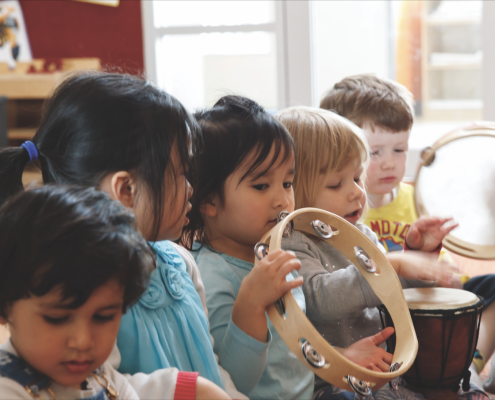 https://www.earlychildhoodaustralia.org.au/wp-content/uploads/2026/02/Childrens-rights.png
904
1356
Dr Anne Kennedy
https://www.earlychildhoodaustralia.org.au/wp-content/uploads/2026/03/ECA-logo-two-line-680px-slim-tran.png
Dr Anne Kennedy2018-10-22 09:01:212026-03-24 14:47:31Children’s right to play
https://www.earlychildhoodaustralia.org.au/wp-content/uploads/2026/02/Childrens-rights.png
904
1356
Dr Anne Kennedy
https://www.earlychildhoodaustralia.org.au/wp-content/uploads/2026/03/ECA-logo-two-line-680px-slim-tran.png
Dr Anne Kennedy2018-10-22 09:01:212026-03-24 14:47:31Children’s right to play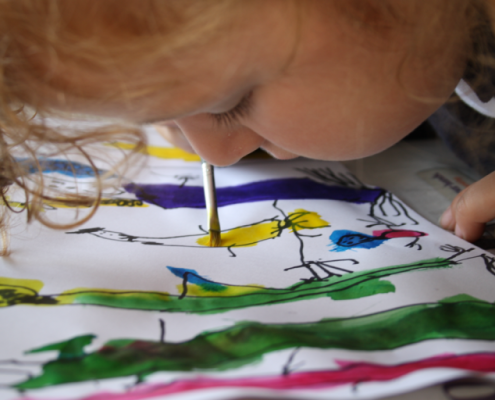 https://www.earlychildhoodaustralia.org.au/wp-content/uploads/2026/02/reggio-who-is-the-child-1-768x512-1.png
512
768
Karen Szydlik
https://www.earlychildhoodaustralia.org.au/wp-content/uploads/2026/03/ECA-logo-two-line-680px-slim-tran.png
Karen Szydlik2018-09-17 09:14:132026-03-24 10:21:00Who is the child?
https://www.earlychildhoodaustralia.org.au/wp-content/uploads/2026/02/reggio-who-is-the-child-1-768x512-1.png
512
768
Karen Szydlik
https://www.earlychildhoodaustralia.org.au/wp-content/uploads/2026/03/ECA-logo-two-line-680px-slim-tran.png
Karen Szydlik2018-09-17 09:14:132026-03-24 10:21:00Who is the child? https://www.earlychildhoodaustralia.org.au/wp-content/uploads/2026/02/Screen-Shot-2018-02-22-at-3.34.01-pm.png
580
976
Anne-Marie Morrissey
https://www.earlychildhoodaustralia.org.au/wp-content/uploads/2026/03/ECA-logo-two-line-680px-slim-tran.png
Anne-Marie Morrissey2018-02-22 14:42:302026-03-05 16:36:39Play-based learning can set your child up for success at school and beyond
https://www.earlychildhoodaustralia.org.au/wp-content/uploads/2026/02/Screen-Shot-2018-02-22-at-3.34.01-pm.png
580
976
Anne-Marie Morrissey
https://www.earlychildhoodaustralia.org.au/wp-content/uploads/2026/03/ECA-logo-two-line-680px-slim-tran.png
Anne-Marie Morrissey2018-02-22 14:42:302026-03-05 16:36:39Play-based learning can set your child up for success at school and beyond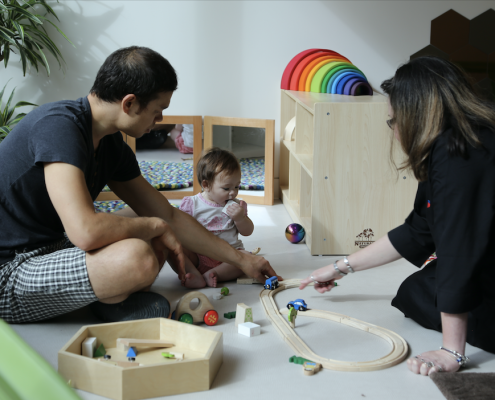 https://www.earlychildhoodaustralia.org.au/wp-content/uploads/2026/02/Screen-Shot-2018-02-14-at-4.49.49-pm.png
702
1056
Early Childhood Australia
https://www.earlychildhoodaustralia.org.au/wp-content/uploads/2026/03/ECA-logo-two-line-680px-slim-tran.png
Early Childhood Australia2018-02-14 14:30:172026-02-10 14:34:44Live and learn: living spaces
https://www.earlychildhoodaustralia.org.au/wp-content/uploads/2026/02/Screen-Shot-2018-02-14-at-4.49.49-pm.png
702
1056
Early Childhood Australia
https://www.earlychildhoodaustralia.org.au/wp-content/uploads/2026/03/ECA-logo-two-line-680px-slim-tran.png
Early Childhood Australia2018-02-14 14:30:172026-02-10 14:34:44Live and learn: living spaces https://www.earlychildhoodaustralia.org.au/wp-content/uploads/2026/02/learning-hub-blog-e1770697114823.png
368
767
Christine Andell
https://www.earlychildhoodaustralia.org.au/wp-content/uploads/2026/03/ECA-logo-two-line-680px-slim-tran.png
Christine Andell2017-12-21 14:15:172026-03-24 10:19:46Supporting language development in the early years
https://www.earlychildhoodaustralia.org.au/wp-content/uploads/2026/02/learning-hub-blog-e1770697114823.png
368
767
Christine Andell
https://www.earlychildhoodaustralia.org.au/wp-content/uploads/2026/03/ECA-logo-two-line-680px-slim-tran.png
Christine Andell2017-12-21 14:15:172026-03-24 10:19:46Supporting language development in the early years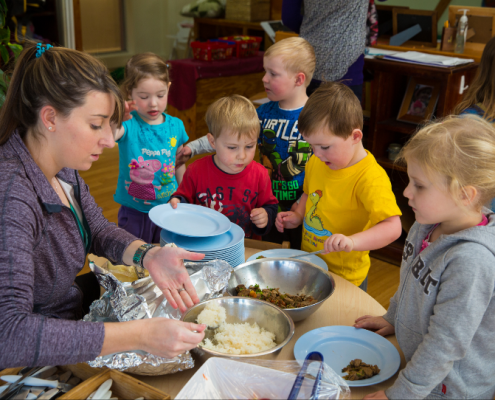 https://www.earlychildhoodaustralia.org.au/wp-content/uploads/2026/02/spoke-blog.png
542
811
Karen Winderlich
https://www.earlychildhoodaustralia.org.au/wp-content/uploads/2026/03/ECA-logo-two-line-680px-slim-tran.png
Karen Winderlich2017-11-09 12:01:262026-03-24 10:11:46Routines: Opportunities for learning and connecting
https://www.earlychildhoodaustralia.org.au/wp-content/uploads/2026/02/spoke-blog.png
542
811
Karen Winderlich
https://www.earlychildhoodaustralia.org.au/wp-content/uploads/2026/03/ECA-logo-two-line-680px-slim-tran.png
Karen Winderlich2017-11-09 12:01:262026-03-24 10:11:46Routines: Opportunities for learning and connecting https://www.earlychildhoodaustralia.org.au/wp-content/uploads/2026/02/play1-e1770685922786.png
382
779
Dr Yeshe Colliver
https://www.earlychildhoodaustralia.org.au/wp-content/uploads/2026/03/ECA-logo-two-line-680px-slim-tran.png
Dr Yeshe Colliver2017-10-27 11:08:532026-03-19 14:00:40Children’s right to play and its benefits
https://www.earlychildhoodaustralia.org.au/wp-content/uploads/2026/02/play1-e1770685922786.png
382
779
Dr Yeshe Colliver
https://www.earlychildhoodaustralia.org.au/wp-content/uploads/2026/03/ECA-logo-two-line-680px-slim-tran.png
Dr Yeshe Colliver2017-10-27 11:08:532026-03-19 14:00:40Children’s right to play and its benefits https://www.earlychildhoodaustralia.org.au/wp-content/uploads/2026/02/Capture.png
726
628
Amanda Wilson
https://www.earlychildhoodaustralia.org.au/wp-content/uploads/2026/03/ECA-logo-two-line-680px-slim-tran.png
Amanda Wilson2017-10-18 14:07:012026-02-10 14:09:54Find the time for meaningful documentation
https://www.earlychildhoodaustralia.org.au/wp-content/uploads/2026/02/Capture.png
726
628
Amanda Wilson
https://www.earlychildhoodaustralia.org.au/wp-content/uploads/2026/03/ECA-logo-two-line-680px-slim-tran.png
Amanda Wilson2017-10-18 14:07:012026-02-10 14:09:54Find the time for meaningful documentation