
Posts
 https://www.earlychildhoodaustralia.org.au/wp-content/uploads/2026/01/be-you-planning-blog-768x403-1.jpg
403
768
Be You
https://www.earlychildhoodaustralia.org.au/wp-content/uploads/2026/03/ECA-logo-two-line-680px-slim-tran.png
Be You2019-03-18 14:15:182026-02-03 13:53:39Reflecting and planning for the year ahead
https://www.earlychildhoodaustralia.org.au/wp-content/uploads/2026/01/be-you-planning-blog-768x403-1.jpg
403
768
Be You
https://www.earlychildhoodaustralia.org.au/wp-content/uploads/2026/03/ECA-logo-two-line-680px-slim-tran.png
Be You2019-03-18 14:15:182026-02-03 13:53:39Reflecting and planning for the year ahead https://www.earlychildhoodaustralia.org.au/wp-content/uploads/2026/01/first-nations-children-blog-768x403-1.jpg
403
768
Early Childhood Australia
https://www.earlychildhoodaustralia.org.au/wp-content/uploads/2026/03/ECA-logo-two-line-680px-slim-tran.png
Early Childhood Australia2019-02-20 12:31:122026-02-03 13:48:59ECA perspective: Australia’s First Nations children
https://www.earlychildhoodaustralia.org.au/wp-content/uploads/2026/01/first-nations-children-blog-768x403-1.jpg
403
768
Early Childhood Australia
https://www.earlychildhoodaustralia.org.au/wp-content/uploads/2026/03/ECA-logo-two-line-680px-slim-tran.png
Early Childhood Australia2019-02-20 12:31:122026-02-03 13:48:59ECA perspective: Australia’s First Nations children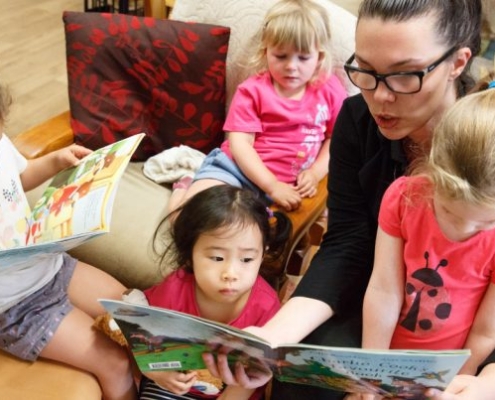 https://www.earlychildhoodaustralia.org.au/wp-content/uploads/2019/01/Educator-Wellbeing-jones-768x403-1.jpg
403
768
Catherine Jones
https://www.earlychildhoodaustralia.org.au/wp-content/uploads/2026/03/ECA-logo-two-line-680px-slim-tran.png
Catherine Jones2019-01-25 08:45:492026-02-03 13:46:34Understanding and supporting educator wellbeing
https://www.earlychildhoodaustralia.org.au/wp-content/uploads/2019/01/Educator-Wellbeing-jones-768x403-1.jpg
403
768
Catherine Jones
https://www.earlychildhoodaustralia.org.au/wp-content/uploads/2026/03/ECA-logo-two-line-680px-slim-tran.png
Catherine Jones2019-01-25 08:45:492026-02-03 13:46:34Understanding and supporting educator wellbeing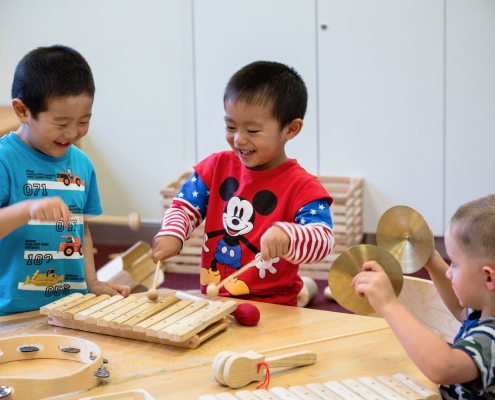 https://www.earlychildhoodaustralia.org.au/wp-content/uploads/2019/01/brain-stimulation-blog-StGeorge.jpg
800
1200
Dr Jennifer StGeorge
https://www.earlychildhoodaustralia.org.au/wp-content/uploads/2026/03/ECA-logo-two-line-680px-slim-tran.png
Dr Jennifer StGeorge2019-01-10 14:26:272026-03-24 10:45:19Five ways with stimulating play
https://www.earlychildhoodaustralia.org.au/wp-content/uploads/2019/01/brain-stimulation-blog-StGeorge.jpg
800
1200
Dr Jennifer StGeorge
https://www.earlychildhoodaustralia.org.au/wp-content/uploads/2026/03/ECA-logo-two-line-680px-slim-tran.png
Dr Jennifer StGeorge2019-01-10 14:26:272026-03-24 10:45:19Five ways with stimulating play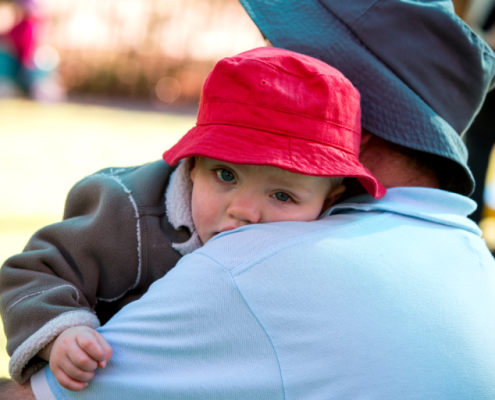 https://www.earlychildhoodaustralia.org.au/wp-content/uploads/2026/02/self-reg-blog-768x512-1.png
512
768
Be You
https://www.earlychildhoodaustralia.org.au/wp-content/uploads/2026/03/ECA-logo-two-line-680px-slim-tran.png
Be You2018-09-04 08:50:092026-02-11 08:58:50What every child needs for learning self-regulation
https://www.earlychildhoodaustralia.org.au/wp-content/uploads/2026/02/self-reg-blog-768x512-1.png
512
768
Be You
https://www.earlychildhoodaustralia.org.au/wp-content/uploads/2026/03/ECA-logo-two-line-680px-slim-tran.png
Be You2018-09-04 08:50:092026-02-11 08:58:50What every child needs for learning self-regulation https://www.earlychildhoodaustralia.org.au/wp-content/uploads/2026/02/stuart-s-blog.png
630
1200
Dr Stuart Shanker
https://www.earlychildhoodaustralia.org.au/wp-content/uploads/2026/03/ECA-logo-two-line-680px-slim-tran.png
Dr Stuart Shanker2018-05-29 15:33:252026-02-10 15:40:05The Self-Reg View of: Overcoming Barriers
https://www.earlychildhoodaustralia.org.au/wp-content/uploads/2026/02/stuart-s-blog.png
630
1200
Dr Stuart Shanker
https://www.earlychildhoodaustralia.org.au/wp-content/uploads/2026/03/ECA-logo-two-line-680px-slim-tran.png
Dr Stuart Shanker2018-05-29 15:33:252026-02-10 15:40:05The Self-Reg View of: Overcoming Barriers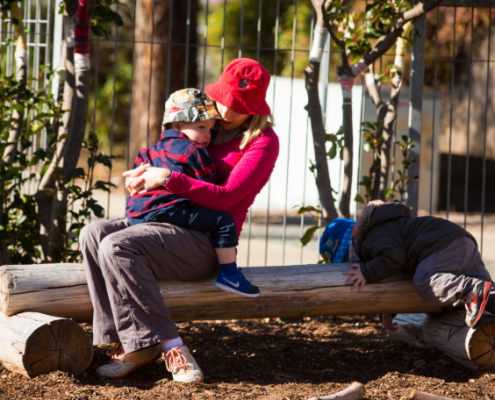 https://www.earlychildhoodaustralia.org.au/wp-content/uploads/2026/02/Resilience-and-relationships—the-impact-of-trauma-and-the-healing-nature-of-love.png
456
686
Kate Hodgekiss
https://www.earlychildhoodaustralia.org.au/wp-content/uploads/2026/03/ECA-logo-two-line-680px-slim-tran.png
Kate Hodgekiss2017-11-16 13:18:582026-03-12 12:24:41Resilience and relationships—the impact of trauma and the healing nature of love
https://www.earlychildhoodaustralia.org.au/wp-content/uploads/2026/02/Resilience-and-relationships—the-impact-of-trauma-and-the-healing-nature-of-love.png
456
686
Kate Hodgekiss
https://www.earlychildhoodaustralia.org.au/wp-content/uploads/2026/03/ECA-logo-two-line-680px-slim-tran.png
Kate Hodgekiss2017-11-16 13:18:582026-03-12 12:24:41Resilience and relationships—the impact of trauma and the healing nature of love https://www.earlychildhoodaustralia.org.au/wp-content/uploads/2026/02/the-spoke-KM-1-e1770686915883.jpg
586
1200
Be You
https://www.earlychildhoodaustralia.org.au/wp-content/uploads/2026/03/ECA-logo-two-line-680px-slim-tran.png
Be You2017-08-11 11:21:382026-02-10 11:34:20Play is vital for children’s mental health and wellbeing
https://www.earlychildhoodaustralia.org.au/wp-content/uploads/2026/02/the-spoke-KM-1-e1770686915883.jpg
586
1200
Be You
https://www.earlychildhoodaustralia.org.au/wp-content/uploads/2026/03/ECA-logo-two-line-680px-slim-tran.png
Be You2017-08-11 11:21:382026-02-10 11:34:20Play is vital for children’s mental health and wellbeing https://www.earlychildhoodaustralia.org.au/wp-content/uploads/2026/02/spoke-garden-image.png
501
751
Richard Clayton
https://www.earlychildhoodaustralia.org.au/wp-content/uploads/2026/03/ECA-logo-two-line-680px-slim-tran.png
Richard Clayton2017-07-07 11:47:262026-03-12 12:19:02Health benefits of gardening for children
https://www.earlychildhoodaustralia.org.au/wp-content/uploads/2026/02/spoke-garden-image.png
501
751
Richard Clayton
https://www.earlychildhoodaustralia.org.au/wp-content/uploads/2026/03/ECA-logo-two-line-680px-slim-tran.png
Richard Clayton2017-07-07 11:47:262026-03-12 12:19:02Health benefits of gardening for children https://www.earlychildhoodaustralia.org.au/wp-content/uploads/2016/08/Cultural-considerations-Welcoming-refugee-children-and-families-into-our-services-e1770681624184.png
527
836
Meni Tsambouniaris
https://www.earlychildhoodaustralia.org.au/wp-content/uploads/2026/03/ECA-logo-two-line-680px-slim-tran.png
Meni Tsambouniaris2016-08-17 09:52:352026-03-12 12:09:06Cultural considerations: Welcoming refugee children and families into our services
https://www.earlychildhoodaustralia.org.au/wp-content/uploads/2016/08/Cultural-considerations-Welcoming-refugee-children-and-families-into-our-services-e1770681624184.png
527
836
Meni Tsambouniaris
https://www.earlychildhoodaustralia.org.au/wp-content/uploads/2026/03/ECA-logo-two-line-680px-slim-tran.png
Meni Tsambouniaris2016-08-17 09:52:352026-03-12 12:09:06Cultural considerations: Welcoming refugee children and families into our services https://www.earlychildhoodaustralia.org.au/wp-content/uploads/2026/02/18q.png
504
1348
Be You
https://www.earlychildhoodaustralia.org.au/wp-content/uploads/2026/03/ECA-logo-two-line-680px-slim-tran.png
Be You2016-06-27 10:30:252026-02-10 10:34:10Five ways families can support belonging and inclusion
https://www.earlychildhoodaustralia.org.au/wp-content/uploads/2026/02/18q.png
504
1348
Be You
https://www.earlychildhoodaustralia.org.au/wp-content/uploads/2026/03/ECA-logo-two-line-680px-slim-tran.png
Be You2016-06-27 10:30:252026-02-10 10:34:10Five ways families can support belonging and inclusion